
The 5 advantages of ecommerce automation
Running an ecommerce business is a lot of work, but you already know it. You experience it every day, from marketing and communication to fulfillment and shipping to all of the follow-up. And everything else in between. Sometimes it feels like you're doing so many little things to keep the business going that you don't have time to focus on the bigger picture and take your business to the next level.
This is where e-commerce automation comes in. What if things just happened without all of the work every time? Ecommerce automation is the magic sauce to free you from the mundane.
What is ecommerce automation?
We've talked about automated e-commerce emails before, so you may be familiar with this option. However, when it comes to ecommerce automation, the sky is the limit.
Ecommerce automation is any digital or technology driven task triggered by an action or non-action by a customer, your team, etc.
Put simply, this is a task that is performed automatically using software or online systems without human intervention. You set it up and it works.
In marketing, for example, certain advertisements or e-mails are triggered to address target groups.
In sales, customers with empty cars can receive a reminder message. A chatbot is offered to customers with questions.
When fulfilled, orders can trigger messages to help you manage inventory, including sold out notifications.
The list goes on.
How Can Ecommerce Automation Help My Business?
More and more people are shopping online and are giving e-commerce an advantage over stationary shops. Forbes reports that consumers have higher expectations for faster, more convenient delivery. To stay competitive, entrepreneurs need to find ways to move faster and stay nimble.
Ecommerce automation saves time
Automating repetitive tasks can suddenly free up time. If you don't need to keep track of how you remember doing and implementing them, imagine what you could do with the extra time.
Think about the everyday tasks you have to do over and over again, including data entry, customer email, social media, and more. The more you can automate, the more gets done without you.
With ecommerce automation, you can schedule sales promotions to go online at the right time, automate new product releases with their announcements, remove discontinued products, adjust prices, apply discounts, track purchases and provide rewards, etc.
But it's more than just doing the job itself. Ecommerce automation can do it better in many cases so that you don't have to go back and correct mistakes. When data is sent from one platform to another, the likelihood of human error is reduced. However, it's never a bad idea to come back regularly and fix bugs.
Ecommerce automation increases employee engagement
What if you could tell your team tomorrow, “Good news. This worldly task that steals your life every Monday? It's gone. "You'd probably increase employee satisfaction, right?
This is exactly what ecommerce automation can do for your entire team. Instead of having to enter data every morning, they can simply log into the system regularly as it makes sense.
Now they can do the big picture they came on board for: strategy, learning, growth in their fields. It could bring new energy and excitement to the team.
Ecommerce automation helps with customer satisfaction
Satisfied customers are more likely to be regular customers. According to Invesp, new customers can cost around five times the cost of selling to regular customers. With ecommerce automation, you can keep customers happy and turn them into repeat customers even as you scale to reach larger audiences.
Yes, it's easy to keep in touch with customers when you have a handful, but what happens when you have hundreds, thousands, and more? You just can't be there for everyone.
When you automate things, you can improve the customer experience in your store. Customers can find what they are looking for faster and buy what they want more easily without getting bogged down by unavailable products, etc.
Easier onboarding with ecommerce automation
As with customers, keeping suppliers happy when they interact with your brand is important for profitable long-term relationships. Various ecommerce automations can keep the relationship going and drive it forward.
Automated supplier portals can give employees more time to focus on business growth, as explained above. In the meantime, new vendors and suppliers can take the lead in setting up your system. Of course, you'll want to be there for questions and customer service, although much of this can be automated as well. Vendors will appreciate that the system moves quickly and seamlessly without the need for human intervention throughout the process. Since the suppliers and suppliers are responsible for their orders and inquiries, nothing is lost in the translation.
Fewer opportunities for error and fewer supplier / supplier relationship issues mean you can get back to the business of growth and excite the world with your brand.
Easier deliveries with ecommerce automation
Is there anything worse than lost or misdirected packages after you've placed an order?
Ecommerce automation systems process orders directly from customers and print receipts and shipping labels instead of having them entered manually. This saves time and prevents mistakes from occurring.
With customers making package tracking a priority, companies need to know where packages are for customer service and quality assurance purposes. Ecommerce automation options can automatically submit tracking information.
How do I know what to use ecommerce automation for?
Now that you've shared the reasons why your business can't keep working without automation, how do you even know where to start?
It is true that the possibilities are seemingly endless. So before we dive into some examples of great products that you can use to automate your ecommerce store, let's see how you can choose.
Find the pain points
Where is your workflow bottling? If you're not sure, think about issues customers have reported and feedback you've received from your reps. These are the needs that must be addressed first in order to have the greatest impact. When you see requirements in different areas, look for ecommerce automation systems to identify where these issues intersect. For example, you might need a better CRM tool to improve customer communication before and after a sale.
Analyze the big picture
It can be tricky when you're in the weeds of your business, but when you look at the bigger picture you can see where the holes are. Which growth areas are constantly being held back? What are you trying to start that keeps getting handicapped? By integrating ecommerce automation, time and energy in these areas can be freed up for deeper strategic thinking, research, experimentation and hopefully growth.
When in doubt, start communicating
If you're still not sure where to start, marketing ecommerce automation can be a good place to start. Throughout the sales funnel, there are opportunities from above when you first connect with a prospect, convert a new user, as well as resell and sell to existing customers. Authentic communication using automation is almost a breeze.
Which ecommerce automation tools should I use for my business?
It may take some experimentation, but we've found these programs worth exploring. While there are tons of options available, these are popular in many industries.
ZenDesk
If you see the bottleneck in customer service or sales communications, ZenDesk may have the solutions you need to integrate both internally and into your customer contact. ZenDesk offers two main facets with lots of customizable options on each platform.
ZenDesk Support Suite
You may already have come across the ZenDesk support features through a brand that you researched online. Many customers may not need to speak directly to someone in your company to answer their questions. You can create a robust, interactive FAQ section.
You can also create customer service shifts, from self-service to live chat with a customer service representative. One of the strengths of the ZenDesk support suite is the omnichannel options. You can set up the system so that customers can send their questions or concerns via email, text, or live chat on your website and other channels.
It also gives you access to customer service reports to understand what people ask, how often, and how long it takes to find a solution. From there, you can streamline your processes to improve the customer experience.
Mailchimp
Mailchimp sends out e-newsletters, right? When it comes to automation, they can do a lot more. Imagine sending just the right communication to just the right type of customer and just scratching the surface of how Mailchimp can revive your marketing efforts.
Customer journeys allow you to compose a series of emails to be sent to target markets. It depends on any number of trigger points, including interacting on your website or connecting with your customer service or sales teams.
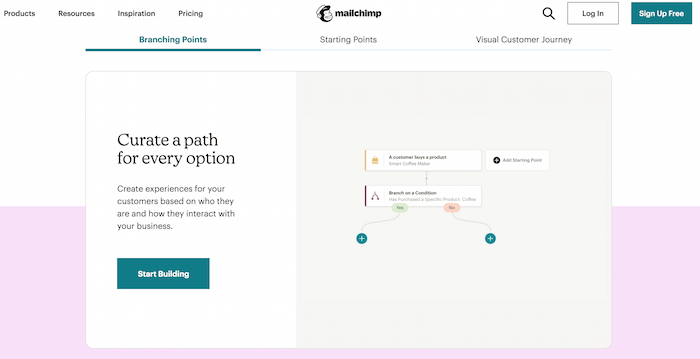
Once they make that purchase there are so many more ways you can connect with them using Mailchimp. Shipping and delivery notifications, guides and suggestions, follow-up and feedback are just a few of the marketing automation emails you might send.
Keap
Keap is an all-in-one e-commerce solution with a focus on helping service-minded small businesses succeed with automation. They provide templates that ecommerce businesses can use to create automated email explosions, reminders, and lost lead actions to increase your sales and build customer loyalty.
They are a great option for finding out if your business is being held together with sticky notes, spreadsheets, and scraps of paper that you can't always lose. Keap sums it all up, from your existing customer base to potential CRM customers to all of your communications, invoices, offers and much more.
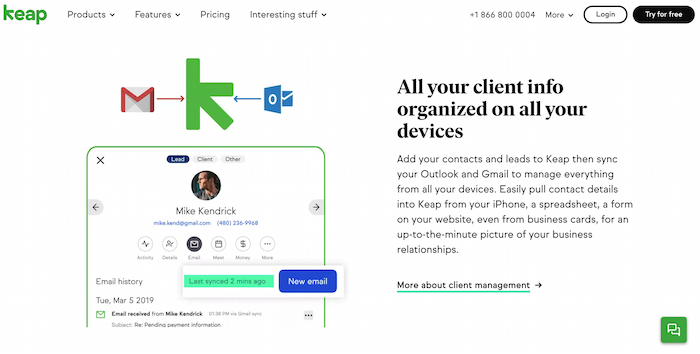
By keeping everything in Keap, you can be more confident that you won't lose an opportunity or miss a customer.
HubSpot
HubSpot is a powerful tool that we've already discussed for any business looking to scale. While there is a paid version that is outside of the price range for many, HubSpot offers several features for free.
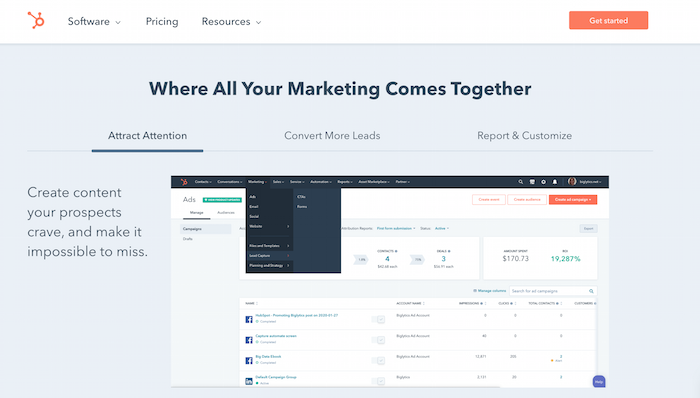
The HubSpot tools include the Marketing Hub, Sales Hub, Service Hub, and Content Management System Hub. The free features let you email templates, set up customer service ticketing, generate new leads, and create smart content.
Shopify
Not only does Shopify offer many automation options through Shopify Flow, but you can also connect various integrations through the App Store.
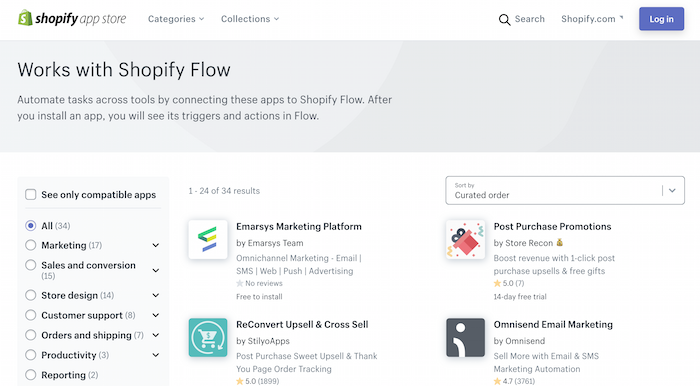
Unless you're already using an ecommerce platform like Shopify, consider the benefits of having all of your information right in one place. As you grow, use more Shopify Flow options and integrations to take advantage of their systems.
Conclusion
After reading all of the information about what ecommerce automation can do for your business, you may be overwhelmed. If you have paralysis from analysis, remember that it will save you time. Time that you can spend on bigger or better things.
Don't get lost in all the bells and whistles that call for your attention. First, choose the process that needs attention and will help you grow your ecommerce sales. Then find the automation tool that seems most intuitive to you. Dive in and save time.
What's the next ecommerce task you want to automate?