
How do I write headings? [Formulas Inside]
There is more than one reason why sites like BuzzFeed, Upworthy, or PopSugar are getting so many clicks, views, and website visitors.
The main reason, however, is that all of these websites use unique, powerful, and engaging headings that get the users to click on their content and view the full story.
There's no one right way to get a headline written, but certain types have been more successful over the years. When you follow certain "formulas" headings, you are writing headings that will get people to click on your content.
Here's how to write powerful headings that users can only click on.
Why headlines matter
The headlines you write will either grab your audience's attention or bore them. You need to get them right as your prospects will make their first impressions of your brand from them.
Your headlines shouldn't be focused on selling to the reader as that can be a departure. Instead, they should entice users to click on your content.
You also need to make sure that your headings are an accurate representation of the content of the page. Users will quickly jump off your page if the content doesn't match the heading.
After all, your headlines should reflect your company's values. Most Americans believe the headlines they see. Fake headlines or headlines that are too "click-baited" can wrap your brand badly and your business will suffer in the long run.
The good news is that by sticking to the formulas in this article you can avoid using misleading, incorrect, or boring headings that can harm your business.
4U formula Headlines
The first formula you need to know is the 4U formula.
According to CopyBlogger, up to 80% of people read the average headline when they come across it, but only 20% actually read the entire post.
If you want to increase the likelihood that people will actually click on your headings and read an entire post, you need to make your headline as intriguing as possible.
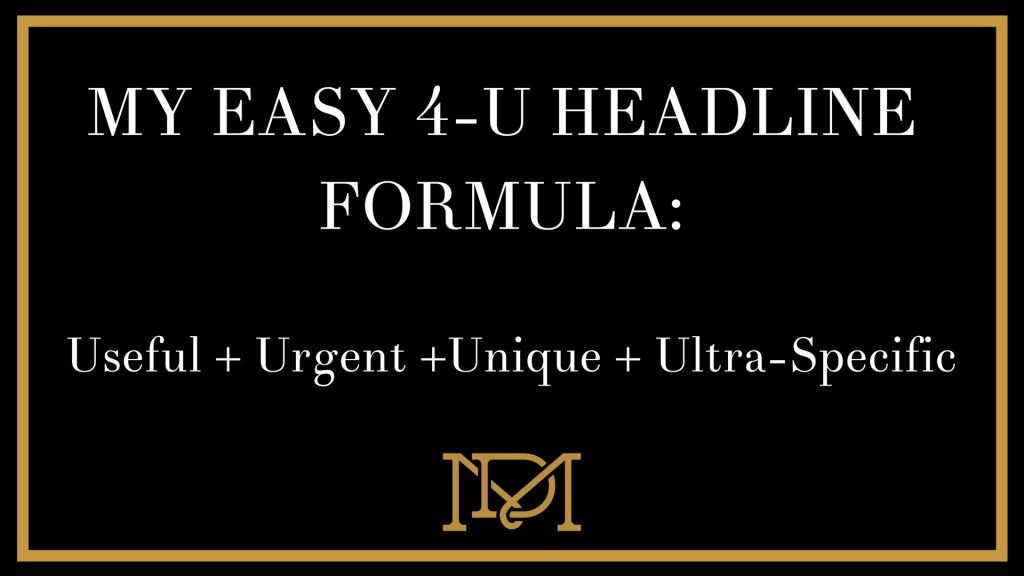
Melanie Duncan's 4U formula is perfect for compelling readers. The 4U formula instructs you to make your headline “useful, urgent, unique and ultra-specific”.
Useful Headlines
Think about the headlines that you actually click as you scroll through your news feed. Some are likely headlines that offer something that can help you.
You need to offer people the same useful value in your own headlines. Start by understanding what will be useful to your audience, and then offer them what they need.
The headings in this category should identify a problem and provide a solution, as should the related articles. This works regardless of whether your company is service or product based.
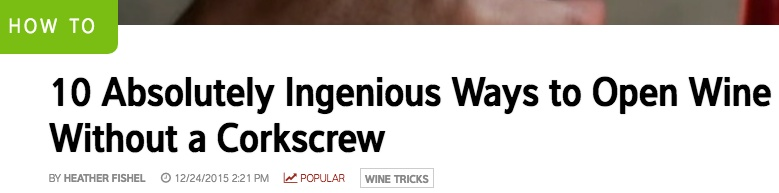
Examples of useful headings include how-to articles and lists like this one from Wonder How To:
Other exemplary "useful" headings are:
- 10 tricks for a better sleep
- This is how you land your dream job
- Instructions for meditation beginners
Urgent Headlines
Clever bloggers create a sense of urgency in their headlines to get people to click. Think of FOMO here (for the uninitiated: fear of missing out).
There is so much content online trying to get our attention. Headings that are not time sensitive can easily be ignored.
However, when something is urgent, readers often click the headline to get the information right away. You don't want to miss out on exciting, helpful, or informative content that you need right now.
Urgency is the most difficult to grasp of the four U's and may not always apply to the subject of your article. If you want to skip any of the 4 Us, you should think about leaving it out.
Examples of urgent headlines include headlines like "Avoid THESE Mistakes Before It's Too Late" or "Make XYZ In Just 2 Weeks With This One Simple Trick".
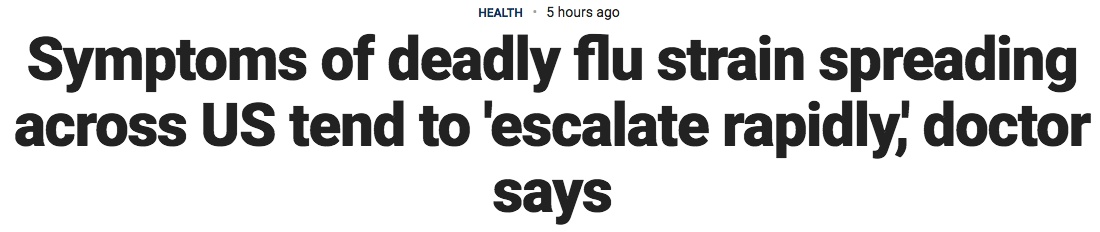
Traditional news outlets constantly use urgency in their headlines. Check out these from Fox News:
Unique Headlines
People love rare and unusual sentences. They stick out like a sore thumb and pique people's interest so all they have to do is click.
Anything you can do to make your headline stand out in a crowded online world will help.
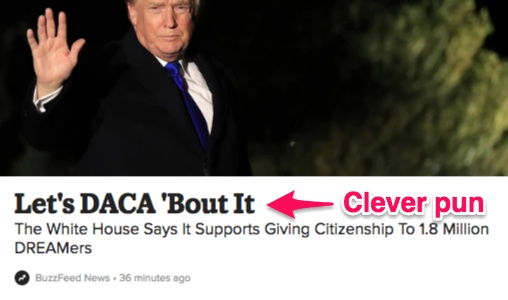
Remember to focus on word games, word games, and interesting topics. Buzzfeed is notorious for this:
Ultra specific Headlines
Have you ever wondered why there are numbers in so many headlines these days? That's because they're ultra-specific.
Readers want to know exactly what to expect when they click on a headline. The best headlines take specific ideas and break them down a step further.
For example, don't just write about foods that you should avoid. Talk about common foods that you should avoid. Don't just mention interior design ideas, but also talk about interior design ideas that you can do yourself.
Again, the point is to understand what will be useful to your audience. Here's an example of an ultra-specific headline I've used in the past:

If you make sure all of your headings are useful, urgent, unique, or ultra-specific (or some combination of methods!), You will get better headings for every article you write – headings that get people to read because they do provide an answer to their problems.
Conduct Headlines
The guide formula is a classic way to show people that your contribution can solve their problems.
It's as simple as rephrasing your headline: "The (adjective) guide to (Ultra-Specific Topic)."
However, be careful how you phrase the content of the spaces. Use unusual words where you can and try to avoid basic adjectives like "completely". Try spicing it up a bit by changing your adjective to "compact" instead.
Here's a great example from TheStranger.com:
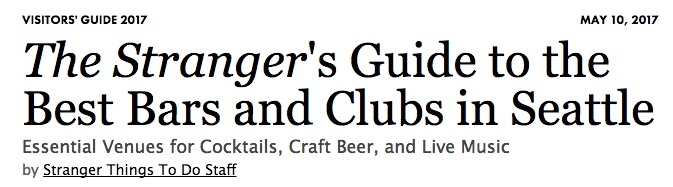
Present the benefits Of your post in the headline
Your headings need to show readers exactly what is in it when they view your post. The headline needs to convince them that it is beneficial to take the time to look at your content.
You really need to know your target audience to create a headline using this formula. They should know what search terms they are using to find your post and what information they want to find in it.
This is as simple as writing a few headlines like "Create Your Own Email Template In Minutes" or "Quick And Easy Ways To Cook Bacon".
The Huffington Post revealed the great advantage of their post in this headline quite well:

You can also use a headline to reveal the benefits of your post if you want to offer readers something in exchange for their time; B. "Get a FREE e-book at the bottom of this blog post".
Create headings that Contact the "How-To" inst. Of your readersinct
Most people are interested in improving their quality of life in one way or another, whether it is their personal or business life.
The guides will help you highlight people's wants and needs and how to meet them.
However, don't include the process in the heading as you don't want to reveal the big secret. That certainly won't force readers to stick around for your entire post. Instead, focus on the bottom line and the reader's real motivations.
These can be articles such as, "How to Start a Business from Home" or "How to Eat Healthier on a Budget".
Here is an example of one of my headings:

Like all other heading formulas, the heading offers a solution to a specific problem. Another example:

You can apply this formula by first figuring out what problems your readers may be facing.
Next, find out how you can narrow down this problem to make it extra specific. If you need help, reach out to your social media followers and ask them what challenges they are facing. You can even take an online survey or send one to your email subscribers.
Headlines Compare two unexpected things
When you compare two unexpected things, people will be curious to find out how to act.
For example, this headline is pretty hard to ignore:
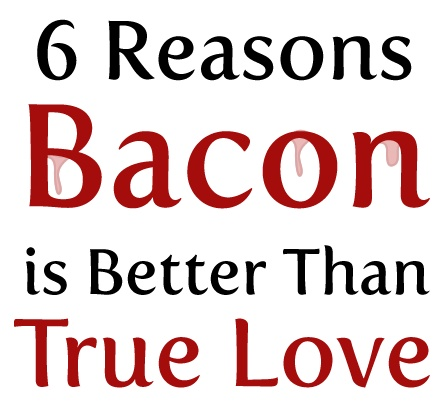
To say bacon is better than true love is a pretty bold statement. I don't know about you, but I'm quite interested to know the author's reasoning here.
The formula for this heading is as simple as "Why (one thing) trumps / is better than (the second thing)". Comparison headings enable us not to have to weigh difficult decisions.
These usually work best when breaking a myth, such as: E.g. when you suggest that people should eat chocolate instead of going to the gym.
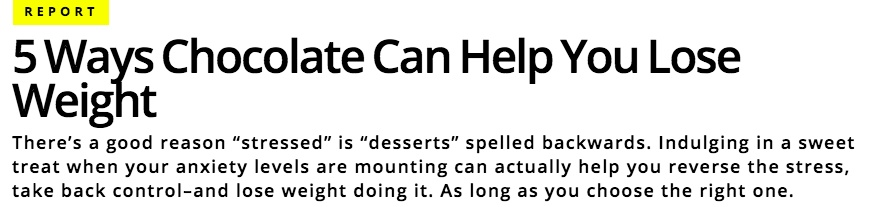
People don't expect you to recommend the unexpected choice and they want to know your reasoning.
To apply this formula, first consider what myth you can destroy or decipher some of the toughest decisions your readers make. Then use the formula to give them an answer.
For example, Bitcoin is very popular right now. That makes this Forbes post claim that gold is better than Bitcoin, to say the least.
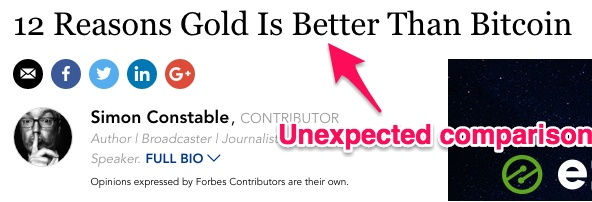
Classic, numeric list headings
When you're tired of seeing list posts all over the place, reconsider your attitude towards them. People write them because they are clickable and readable.
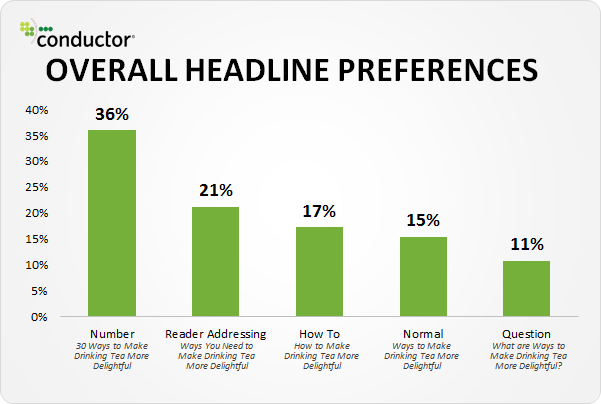
In fact, numeric headings are the most preferred type of heading.
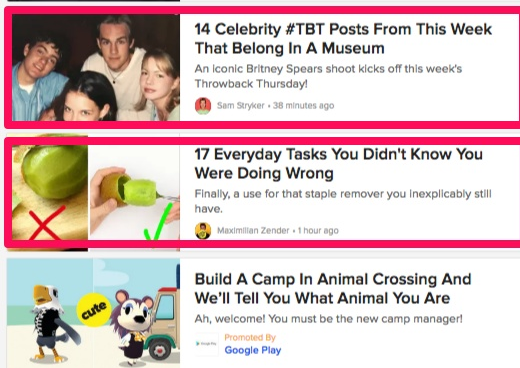
The Buzzfeed home page usually has several list headings:
Some other examples are:
- 32 Legitimate Ways To Make Money At Home (The Penny Hoarder)
- 17 Ways Successful People Think Different About Money (MindValley Blog)
- 9 ways to keep your toddler entertained without a smartphone (the art of manhood)
A heading in a list item is as simple as "XX (adjective) ways to (space)". First, think about the tips that can help your readers. Include specific, actionable tips that they can apply to their life right away.
Include emotional words in the blog title to make list posts like "sneaky" or "legitimate" even more effective.
Headlines that Appeal to the curiosity of the reader
When you offer inside information, readers can't resist. Your curiosity will get the most of you and you will need to read your post to find the answers.
The heading "XX Little Known Methods (blank)" focuses on the idea that if the methods in your post are little known, readers will have an advantage over people who do not yet know about them.
You can also pique readers' curiosity with a headline like "XX Secrets of (Blank)". Everyone will want to know the secret. Who doesn't want inside information?
MoneyVersed combined these two methods with this heading:

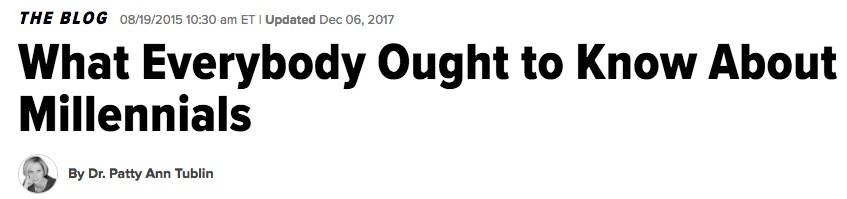
What Everyone Should Know (blank) is also a great way to challenge readers to find out exactly what they are missing out on.
When used, this heading should look something like this:
Use keywords in your headings
If you use keywords in an article (which you should!) You should include them in the headline.
Keywords are not only important to search engines but also to providing context. Readers can tell what your article is about and what to expect from reading it.
You can do this simply with a heading like "What Makes (Keyword) So Important in (Keyword)".
You'll attract more clicks and readers, get more tweets, rank higher in the SERPs, and get more traffic from headlines that include your keywords.
Bizarre headlines
When it comes to articles and blog posts, do like the pros: always make sure your headlines are clickable.
If you need to write about something strange, like HuffPost did in this heading to get attention, do it.

The key to writing compelling headlines is to avoid the obvious click bait, but make sure the article continues to take the readers' emotions into account.
You must keep the promise made in the heading in the body of your letter.
It also helps to test your headlines. For each article you publish, try to test at least five headline variations.
Heading formulas for your articles, blog posts, and social media posts
Do you think that only written blog posts or articles need well-designed headings?
Not correct. Any piece of content you create needs a compelling, strong, and effective headline to attract more viewers. That goes for videos, podcasts, emails, tweets and more.
Ideal headline length
Regardless of the formula or formulas you choose for your headings, you need to keep an eye on length. You want the headings to be long enough to cover all of the information but short enough so that they aren't too long.
According to CXL, the highest converting headlines are between 16 and 18 words. Try to keep your headings in this area for the best results.

Social media headlines
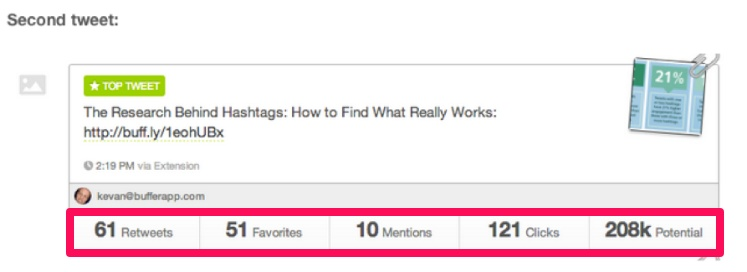
You can test your social media headlines for free using a tool like Buffer.
For each headline variant, you can see how many retweets, favorites, mentions, and clicks have been earned. You can also view potential statistics for each heading.
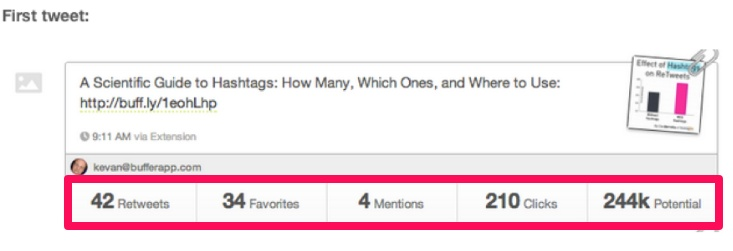
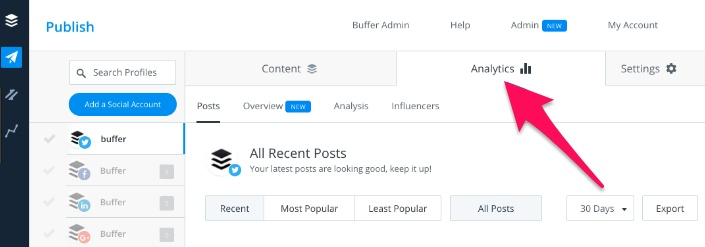
Then head over to Buffer's Analysis tab to find out which of your headings have been clicked the most by your followers.
Heading formulas for email subject lines and login pages
Email headings are just as important as article headings because you don't want your email to go to people's trash folders.
If you don't think your email subject lines are getting through, you're not seeing very good open rates. Your subject lines force users to either click on your email and consume your content or to ignore it.
Fortunately, there are tools you can use to create compelling subject lines for your emails.
iSpionage is a tool that lets you create clickable, attention-grabbing headlines that are one step above the boring subject lines you are probably used to.

ContactMonkey is also great for creating email subject lines that are interesting by using a play on words or inserting a play on words. The brand also often includes emojis in their subject lines.

Email subject lines are important, but they can only go so far if you don't have a solid list of subscribers. You can upgrade your sign up pages to get more subscribers using the same formulas that you use to create your headings.
People won't be interested in subscribing to offers that fall flat. Instead, go for something like this eye-catching, opt-in-worthy headline.
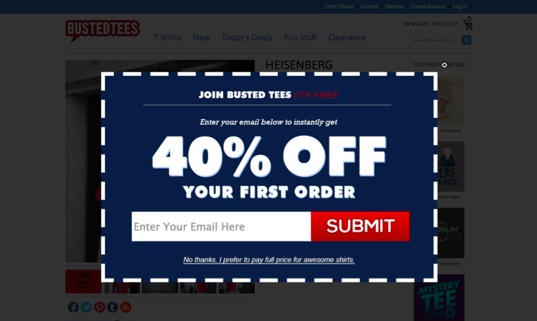
Not only are the graphics great, the headline mentions free too. As if that wasn't exciting enough, get 40% off your first order when you sign up.
Shoot the same type of subscription forms for more clicks and subscribers.
Conclusion
You might be wondering why so many websites are getting their content, but yours could be better. The answer could be in your headings. This is the first thing people will see of your brand before deciding whether or not to click your copy.
While there's no one-size-fits-all way to write a heading, there are some heading formulas you can follow to create more powerful ones.
You should be able to find a formula across all channels that fits any piece of content you produce.
Do you want to help create headlines that will increase your clicks, your volume and, ultimately, your sales? Let's connect.
Which headlines worked best for you and your brand?