
5 Examples of Ecommerce Pop-up Retailers
Pop-up shops are a fantastic opportunity for brands big and small to connect with customers and increase sales.
Modern consumers are increasingly looking for new experiences, and pop-up stores both physical and virtual are just right for them. Not only do pop-up shops provide a novel experience, but they also create excitement about your brand that lingers long after your pop-up disappears.
Whether you're an online retailer looking to physically connect with your customers, a physical retailer looking to test an online presence, or just want to create excitement about your brand, a pop-up shop could be the perfect solution .
What are pop-up shops?
Pop-up shops are time-limited retail stores. As the name suggests, they appear and then disappear after a brief appearance (although some are so successful, they become solid fixtures).
While we think of pop-up shops more as physical stores, virtual pop-up shops are becoming increasingly popular.
With either option, brands can target audiences with specific products and create a rich shopping experience that is difficult to achieve with a traditional store.
Physical pop-up shops
Physical pop-up stores can go mobile in the form of a traditional storefront, a pop-in (where a brand creates a store in an existing store), or even by renting a truck.
Physical pop-up stores are great for ecommerce brands to experiment with a physical store without being completely committed to a fixed location.
Pop-up shops are a short-term commitment that allows brands to be flexible and focus on delivering a unique experience. For example, a popular ecommerce brand might set up a physical pop-up shop from October through December to attract vacation shoppers.
Virtual popup shops
Pop-up virtual shops might not be as well known as their physical counterparts, but they are a great opportunity nonetheless. These temporary stores can be in the form of a website or even hosted using live streaming on social media.
Traditional brick and mortar businesses can use virtual pop-up shops to take their first steps in e-commerce. However, they are also useful for existing ecommerce stores.
While your main website is a panacea and is home to a lot of different people with a wide range of products, your virtual popup shop can be more focused.
This focus enables you to target a specific audience and a selected range of products. For example, in a clothing store with a famous line of handbags, you might see a virtual pop-up window focusing only on handbags.
5 Examples of Ecommerce Pop-up Shops
Pop-up shops are great for forward-thinking brands, but you need creativity and a solid execution plan to take advantage of the benefits. Here are some examples of ecommerce popup stores that have been delivered.
Shinier
Glossier is a successful beauty brand that can attribute its success to creating amazing content.
The brand began as a website called "Into the Gloss" empowering consumers to become experts and share the products they loved. Glossier continues to be led by its followers and creates products that their customers want to see.
This focus has generated a large following worldwide and helped build Glossier into a $ 1.2 billion brand.
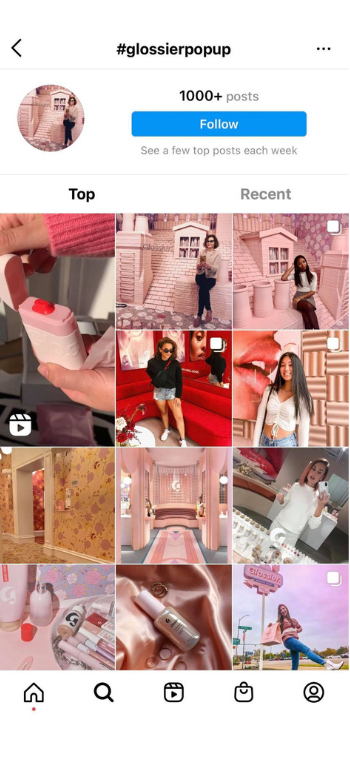
Glossier's 2019 London pop-up in Covent Garden is a perfect example of how successful pop-up shops can be and ultimately leads Glossier to make it a permanent fixture.
In just two and a half months, the store welcomed over 100,000 buyers, demonstrating how effective a physical presence can be for a largely online brand.
Tupperware
Tupperware may not be the most exciting product you will ever buy. However, good marketing can turn the benign into something exciting. That's exactly what Tupperware did with its pop-up store.
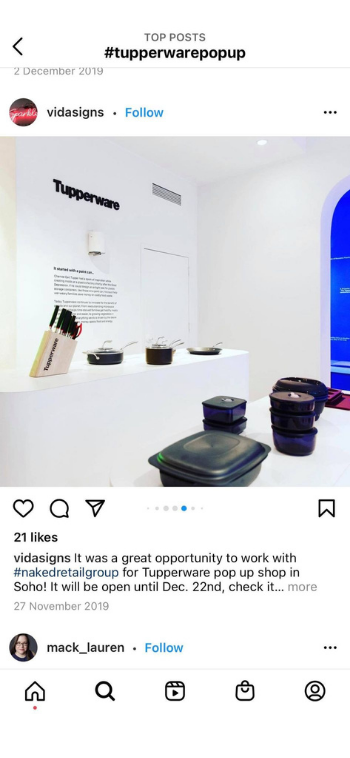
There is no need to introduce the Tupperware brand, but most consumers don't have a strong association with the brand of leftover containers and salad spinners. Tupperware set up an amazing physical pop-up store to promote that deeper connection that was a social media hit.
The store allowed Tupperware to focus on a specific range of products and present them in a carefully designed environment that provided an immersive experience. Instead of just buying Tupperware online, people were able to gain hands-on experience in a modern environment.
BarkShop
When it comes to creating a social media buzz, few things are better than cheering dogs running around choosing their own toys. That's what BarkShop put together when it set up its pop-up shop in New York.
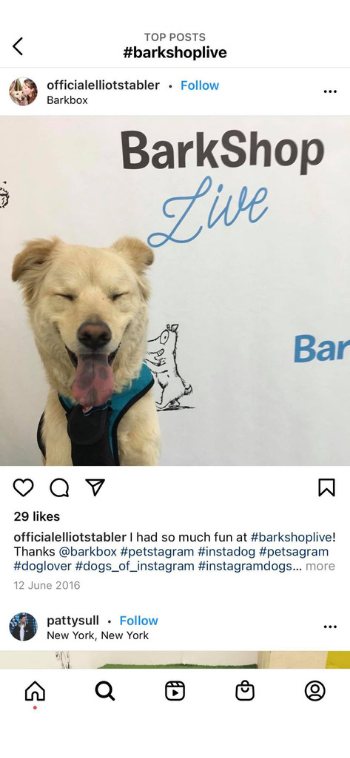
BarkShop, traditionally an e-commerce brand, opened up a temporary physical space where owners could bring their dogs to have fun and choose their favorite toys.
With its technology helping owners understand which toy their dog prefers, this popup seems a breeze!
To avoid total chaos, the pop-up shop was only available by appointment. The owners paid $ 30 to give their dog a memorable day.
The big advantage here is that an ecommerce brand makes that physical connection with their audience.
The pop-up shop may not last long, but the memories of bonding with your pup in the BarkShop pop-up will last forever.
Depop
Depop is a fashion market and community that brings together buyers and sellers around the world.
With the aim of making fashion more diverse and less wasteful, the platform has reached over 13 million users. They are best known for building a strong community with their Millennial and Gen Z audiences.
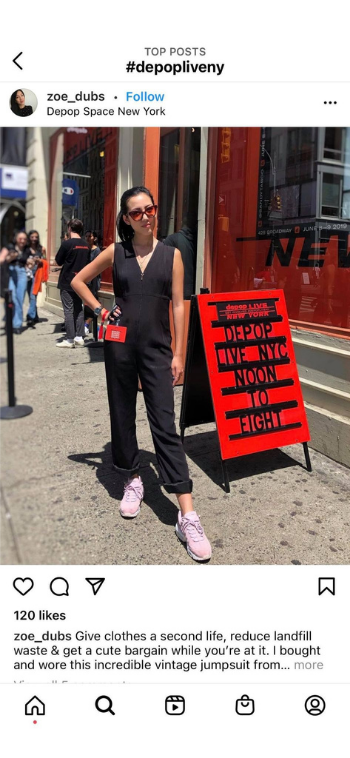
While Depop is an online platform, it didn't stop them from having great success with its Depop Live pop-up shop. Like their online platform, Depop Live was focused on community and bringing people together.
With discussions like “Can Fashion Change the World” and “Build an Empire from Your Bedroom”, the Depop pop-up made it possible to foster audience connections and build brand loyalty that leads to more online sales.
Amazon
Amazon might not be the first brand you think of when it comes to pop-up stores, but they have a unique initiative called Clicks and Mortar.
Big name aside, this initiative was meant to give individual sellers a sense of what it would be like to open a physical store.
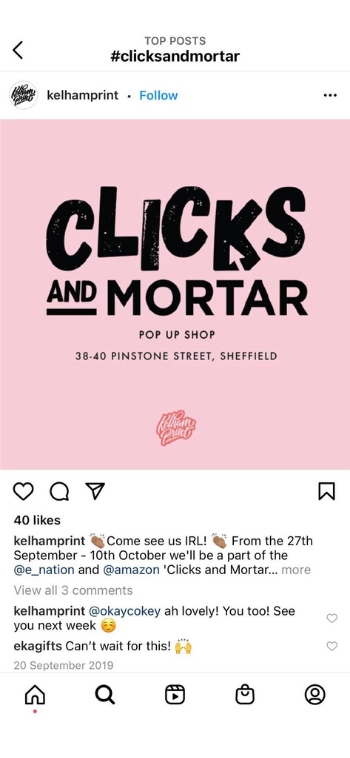
Working with other partners, the e-commerce giant opened ten pop-up stores across the UK, allowing selected sellers to connect with customers through a physical presence.
For Amazon, pop-up shops let the brand connect with their sellers and, perhaps more importantly, show the community that they support local businesses. These pop-up shops may be less about sales than PR, but they are effective nonetheless.
How to start a popup shop
The first step in setting up a popup shop can be pretty daunting as businesses have to get out of their comfort zones. Many of our examples are e-commerce platforms taking steps into the stationary sector. Although they have been very successful, this is a great transition.
As with any business decision, it all starts with research and planning. If you're an established brand, you probably have data. Use this option to narrow down what type of pop shop to open, where to open it, and which products to focus on.
For example, you can focus on bringing a popular line to a large audience in a place like New York or London. A smaller local brand could choose to go online and partner with a bigger brand.
If you're ready to take your first steps with your popup shop, make sure you outline your goals. Here are a few to note:
- Create a positive connection with your customers this goes beyond an online transaction.
- Use the "real" human customer service Educate customers and turn them into brand ambassadors.
- Create urgency and awareness: The temporary aspect is powerful and can generate great excitement.
- Test the market: Are physical deals a viable option for you?
- Take advantage of peak sales times like holidays.
- Test new product lines and excitement ride.
How to do a personal popup
The key to having a personal popup shop is finding the right place. There are several options such as
- Place in a shopping mall
- Main street shop window
- Cell phone shop
- a business in a business
- Event space
The final decisions should be influenced by your audience, the products you sell, and the image you want to portray. For example, Glossier is based in New York, but they knew they had a large, engaged audience in the UK, so London was a perfect option.
When you have a strong ecommerce store, you have tons of analytics to help you make that decision. So make the most of it!
Once you've decided on a location, use resources like Storefront, We Are Pop-Up, and Pop-Up Shops to find the perfect spot. From there, you can set up your shop to excite your target audience and assemble a team to create an exciting experience.
How to do a virtual popup
Pop-ups are all about creating a buzz, building brand engagement, and driving sales – and all of this can be done online.
Pop-up virtual shops are a great way for brick and mortar businesses to dip their toes into online commerce, but they're also a great option for existing ecommerce brands. The key is to create something that speaks to your audience.
So think about how it stands out from your current website. Or can it include aspects of your physical business that people love?
As with any online platform, getting people to your popup shop is crucial. So be creative with your marketing (if you need a little help, my marketing agency always has innovative ideas.)
The last thing to remember is the amazing graphics, and the wow factor only goes so far. Your pop shop must also have a great user experience.
Don't over-complicate things if it is easy to do, and make it easy for users to move from curious visitor to fully engaged customer.
One way to deliver the engaging experience your customers are looking for is through live streaming. With software like GoPopUp, you can create a pop-up live experience that integrates the entire sales process.
Live streaming is severely underused and is a great way to stand out from the competition.
Conclusion
Whether you run a brick and mortar retail store or an e-commerce brand, pop-up shops provide the opportunity to connect with consumers in an increasingly noisy market. There is no long-term commitment, so they can be an excellent opportunity to test new ideas, products, and audiences.
These five ecommerce pop-up store examples show how successful pop-ups can be, and while they require a lot of planning and execution, the results can be worthwhile.
Every popup shop starts with your audience. As I said, "understanding your customers is the only marketing strategy you need."
When you use innovative marketing, strong branding, and good old fashioned hard work, your pop-up store can have a significant impact on your business.
Pop-up stores may be temporary, but the effects of a memorable one can linger long after it's gone.
Does your brand have any plans for a popup shop? What is holding you back

See How my agency can drive Firmly Traffic volumes on your website
- SEO – Unlock tons of SEO traffic. See real results.
- Content Marketing – Our team creates epic content that is shared, links accessed and visitors drawn.
- Paid media – effective paid strategies with a clear ROI.
Book a call