
put stress on VFX boundaries
Whether they are thrilling movie buffs with the latest in VFX techniques or gamers with stunning ultra-real-life graphics, the studios with the cutting edge of entertainment must keep up to date to meet the demands of an industry that is constantly evolving hunger more.
And as the technology with which we use this entertainment continues to improve exponentially, any new experience in a series must represent a significant improvement over its predecessor – which puts a lot of pressure on studios to deliver it.
"Studios need to deliver more and more fidelity content than ever before, but they don't have more time to do it," said Robert Hoffmann, Lenovo's senior worldwide industry manager for media and entertainment. "Budgets don't scale either. There's a gap between customer expectations and the resources to meet them."
Directed by Ridley Scott, Hennessy's epic The Seven Worlds campaign was a major world building exercise for the MPC VFX team
Creativity without compromise
The Moving Picture Company (MPC), headquartered in London, has studios in LA, New York and six other cities around the world. MPC's VFX work on films like 1917, The Jungle Book, Life of Pi, and the Harry Potter franchise has won a number of awards, including three Oscars and three BAFTAs – so the bar is set high.
"As far as I can remember, a great product was expected in less time and for less money," said Jonathan Davies, general manager of MPC studios in London and Amsterdam. "We always had to adapt to this: it is the main driver of our business. Our ethos is to avoid brute force and to advance our ideas and technology to solve the problems."
A similar ethos prevails at Framestore, which operates out of London, Chicago, New York, LA, Montreal, Mumbai and Beijing. Framestore's Oscar and BAFTA winner VFX has recognized films such as The Golden Compass, Gravity and Blade Runner 2049, and its ads have won awards in Cannes, the Clios and D&AD.
"Right from the start, Framestore found creative solutions for briefings that seemed impossible on the surface," said Lottie Cooper, general manager for advertising, television and immersive. "Working together as early as possible in the creative process is the best way to find cost-effective, timely solutions that don't compromise on the quality of the final images."
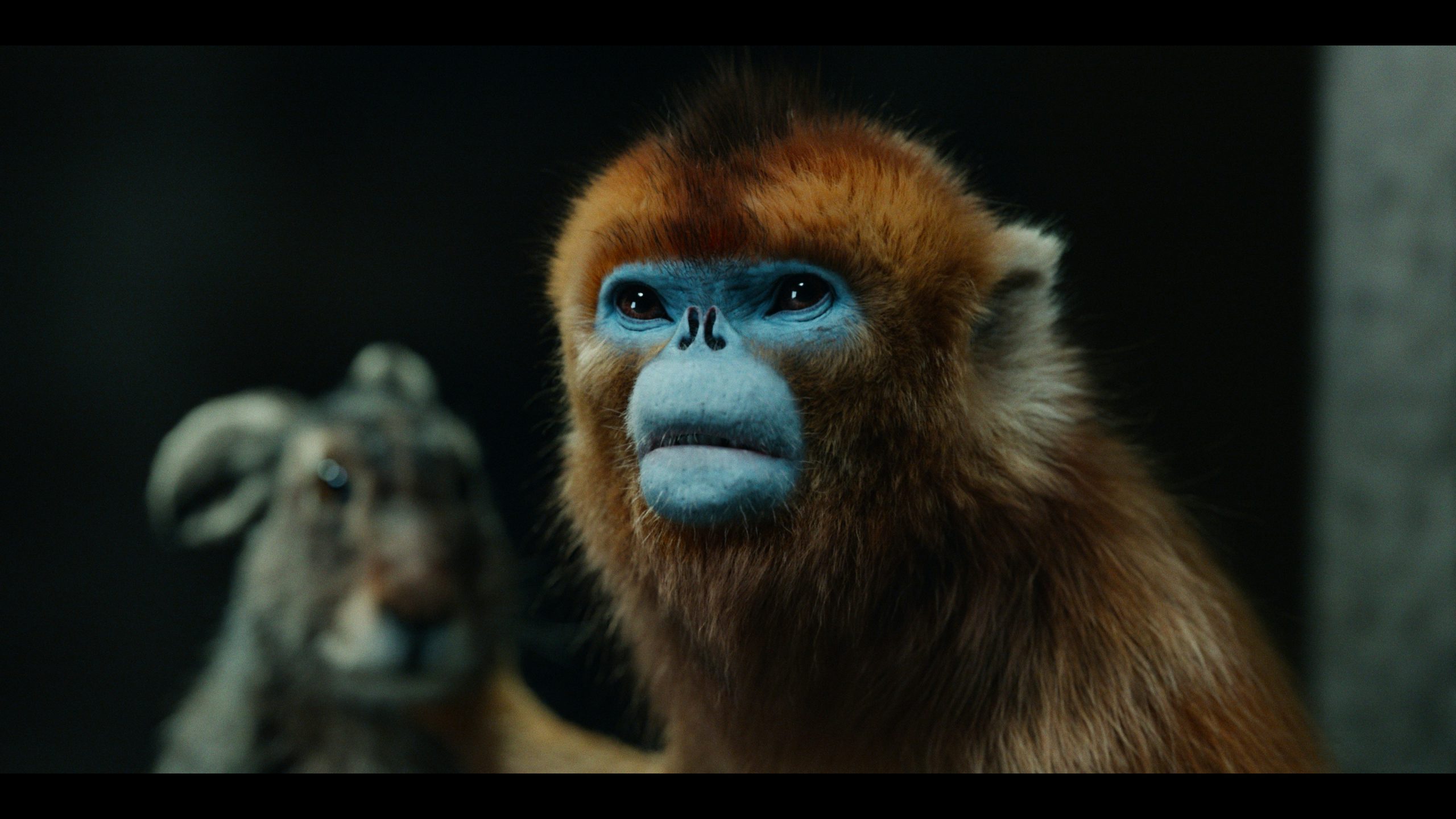 Following the award-winning work on The Golden Compass, Framestore played a major role in building the world on the BBC / HBO show His Dark Materials
Prepare for the 8K revolution
For Hoffmann, the next big challenge for the industry is the upcoming "Resolution Wars". "We've seen the transition from SD to HD and we're now in 4K," he says. "Now people are already looking at 8K."
"It's a great time and a terrible time," he continues. “4K is roughly four times the resolution of Full HD content. When studios develop content for the previous format it can look pretty bad. It will be very noticeable that the complexity of the content does not match the ability of the device it is displayed on. "
When they came out, 4K TVs were $ 10,000. Now you can get one for less than $ 1,000. 8K is on the way: it will happen whether we like it or not
Resolution is a growing problem in ads as well – for example, most vehicles in car advertising are digitally rendered, making fidelity critical for consumers viewing higher resolution screens. "Imagine walking down the street and seeing a car with a quarter of the fidelity it should be," says Hoffmann. "It would definitely feel strange."
With four times the resolution, of course, the complexity of the work quadruples. "It is an additional burden not only for the software, but also for the workstation," emphasizes Hoffmann. "You may need four times the processing power or move four times more pixels."
Hoffmann believes that with the price of the technology falling so rapidly, the studios may have to be ready sooner than expected. “When they came out, 4K TVs were $ 10,000. Now you can get one for less than $ 1,000, ”he says. "8K is on the way: it will happen whether we like it or not. And consumers will expect content in its native resolution."
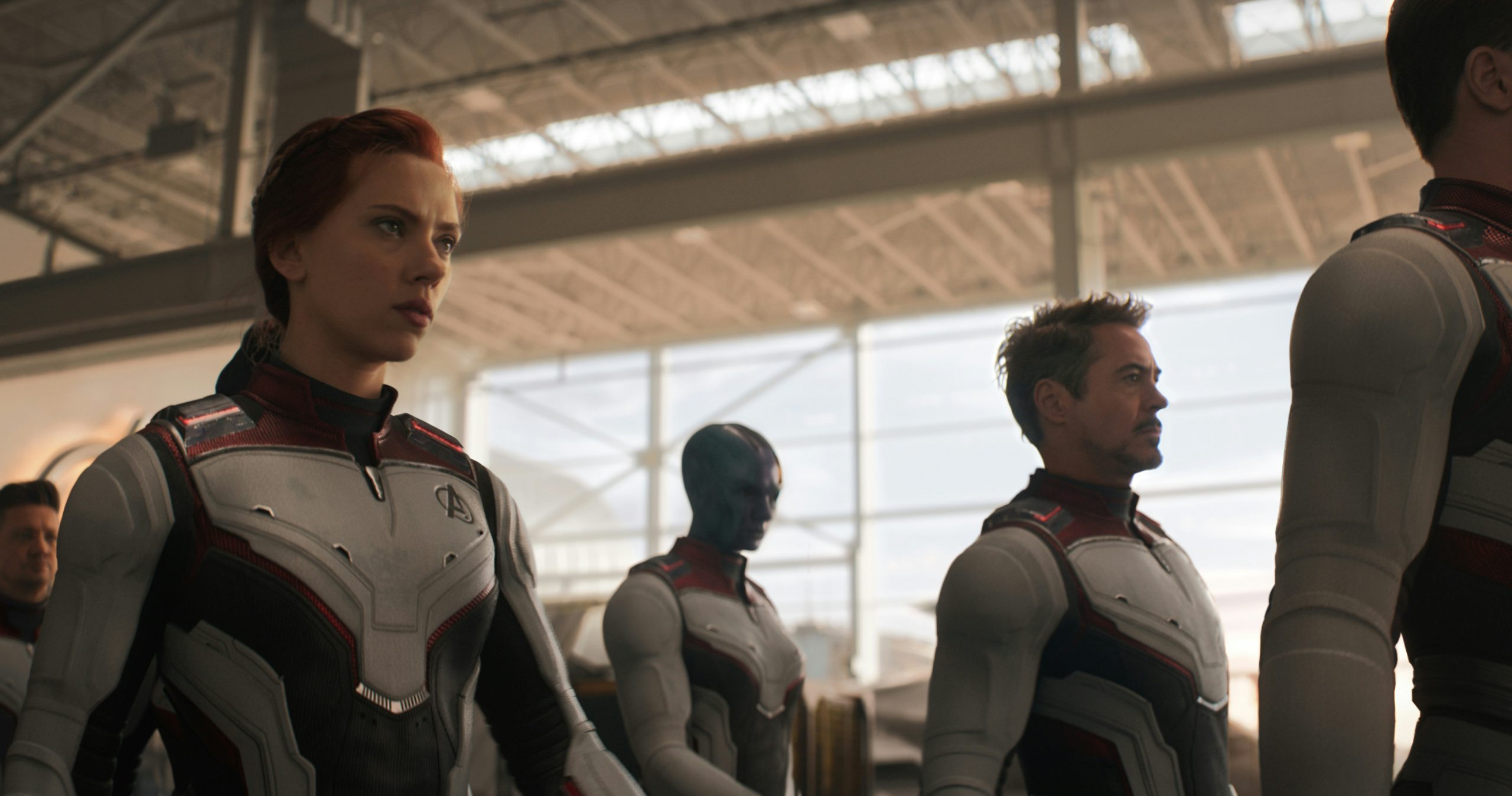 Framestore provided over 300 critical VFX shots for the highest-grossing film of all time, Avengers: Endgame
Stay up-to-date
It is important for Framestores Cooper to keep abreast of the latest developments in order to be competitive at the forefront of the industry. "All of our businesses benefit tremendously from technological advances across the company," she says.
"We have already seen a move towards more in-camera VFX (ICVFX), such as the use of LED screens or virtual production techniques," adds Cooper. "We are working to help our customers understand the different workflows that ICVFX can offer."
Studios today have to choose a job without knowing exactly what to do in three to five years
"Our customers rate us on our performance and assume we are using the latest technology to get there," agrees MPC's Davies. "Artificial intelligence is the biggest leap that affects us all: it will make us more efficient and more sustainable."
Manufacturers have to be quick to support such studies, says Hoffmann. Lenovo not only advises the top studios themselves, but also works closely with the organizations that are behind the "building blocks" of the technology – AMD, Intel, NVIDIA – as well as with software providers such as Autodesk, AVID, Blackmagic Design, Foundry, EPIC, Adobe and others to better understand and evolve the future needs of the industry.
"We are not afraid to bring new technology to market because the industry expects us to do so," he explains. A recent example was AMD's innovative Threadripper Pro technology, which Lenovo was the first to integrate into its ThinkStation P620 workstations.
“We have to identify the challenges of the future and proceed proactively and eliminate problems before they become problems,” says Hoffmann. "Today's studios have to choose a workstation without knowing exactly what to do in three to five years."
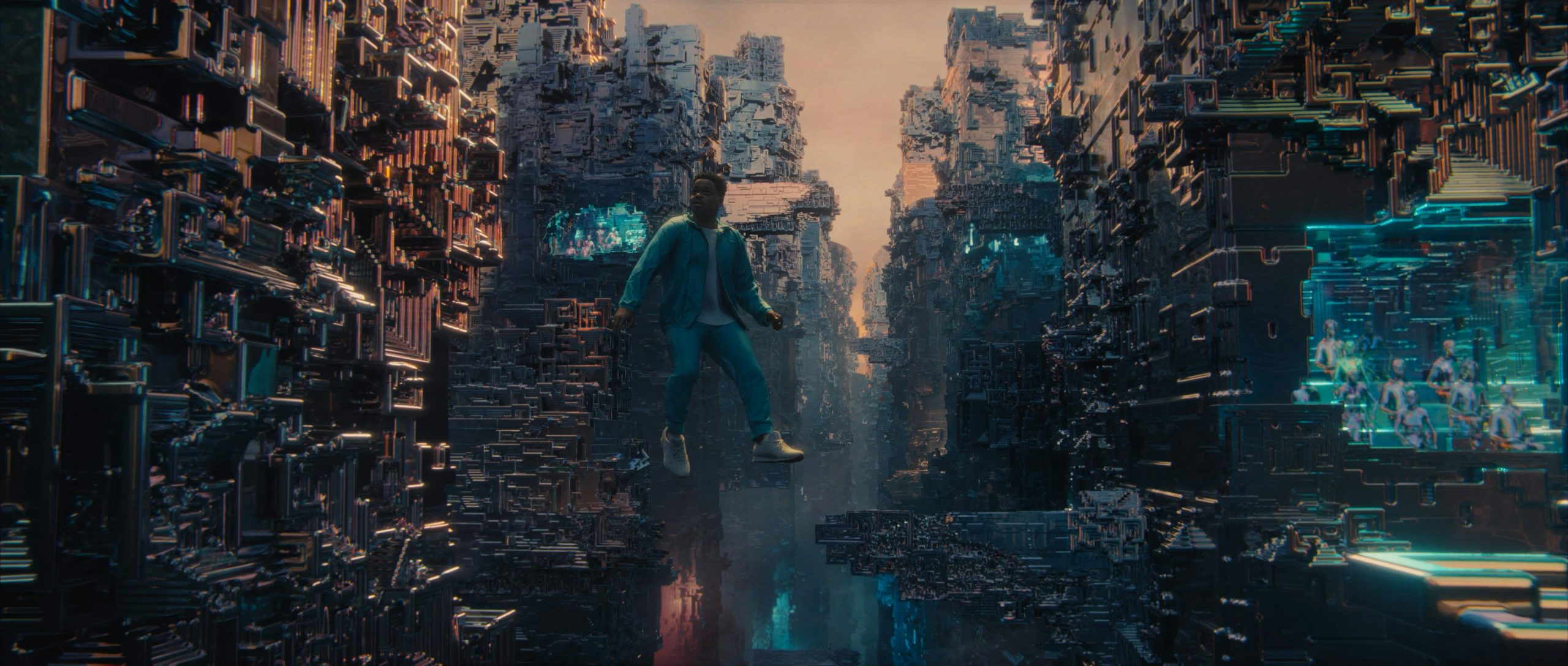 MPC-packed Xbox Series X commercial “Us Dreamers” with advanced VFX and state-of-the-art technology, including 4D face capture
Obtaining the right tools for the job
While it is up to the studios to find their ideal solution, Hoffmann points out that creative technologists have a responsibility to come up with increasingly reliable and powerful solutions that will help them rise to the challenge and continue to do world-class creative work.
"The schedules are tight and often immobile," he says. "Studios can't afford to have a single artist sitting idle. When the workstation is not in use, a ripple effect occurs. Every downstream is affected. An artist who is absent for a day can actually add weeks to production: That old adage time is money; truer words have never been spoken. "
From the studio's perspective, providing the infrastructure artists need to bring their vision to life will ultimately help attract and retain the best global talent – and ensure they are as efficient as possible when they arrive. “Every artist wants to work in a studio with the latest and greatest toys,” he adds.
Above: Framestore provided nearly 500 VFX footage for The Midnight Sky, including CG face substitutes, spacecraft, and science fiction environments
For more information about Lenovo workstations, go to techtoday.lenovo.com/workstations/m&e