
How you can earn a living with OTT platforms and video-on-demand
As a business or marketing professional, if consumer habits change, this is a must. Perhaps nothing is changing faster or more drastically than the way people consume video content.
To capitalize on this shift, the first thing you need to understand is two of the most common video consumption methods: video on demand (VOD) and over-the-top (OTT). We'll cover both in this guide.
What is video on demand (VOD)?
Video on Demand (VOD) is a technology that allows viewers to view video content anytime, anywhere, and click a button or tap a touchscreen.
VOD is also popular because it lets you pause, rewind, or fast forward content – and unlike DVDs, you can simply start an episode from the moment you paused it instead of browsing a menu.
In short, it gives the viewers complete control over what they consume and how they want to consume it.
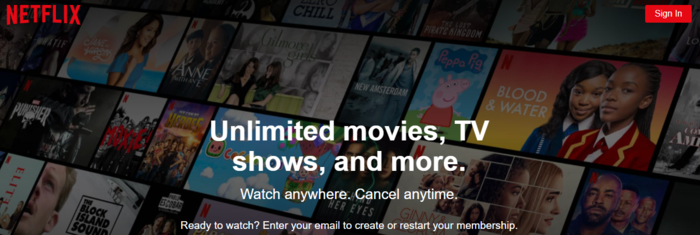
One of the most popular VOD services is Netflix, which started out as a DVD mailing service and was one step ahead of the game by streaming it early.
What is OTT?
Over-the-Top (OTT) is a way of streaming video and film content over the Internet at the user's request.
The main reason for this unusual name is that it goes beyond the confines of traditional media distribution channels and distributes content directly to the consumer via an internet connection.
OTT platforms were made popular by streaming services like Amazon Prime Video, Hulu, YouTube, and more.
VOD Vs. OTT – What's the Difference?
One of the main differences is the medium through which video content is delivered.
- VOD: Video-on-demand is the consumption of media content that does not play on a specific schedule or that requires a physical DVD, tape, etc.
- OTT: This is exclusively streamed content that is not downloaded or otherwise stored offline. They can include media such as videos and online radio programs such as podcasts.
The other big difference is that VoD cannot be live content while OTT can, as VoD cannot, by definition, have a fixed schedule. However, live content may later become VoD if it is allowed to stay online for future viewing.
OTT is often VOD, but not always and vice versa. As you may have guessed, many platforms like YouTube are categorized under both VOD and OTT.
Are VOD and OTT right for me?
If you are willing to put in the hard work to create a high volume of high quality on-demand content, you may be wondering whether VOD or OTT is right for you. Given that there is some overlap between the two, here are some advantages of each option to help you determine which one will best suit your needs.
Benefits of VOD
VOD allows you to deliver on-demand content to users, which is incredibly popular with consumers. This way you can monetize your brand faster and easier via VoD.
This method is best for subscription-based businesses. For example, fitness trainers can use VOD platforms to offer monthly subscriptions to on-demand fitness classes.
VOD is also well suited for brands that want to take advantage of sponsorship offers – more on these monetization methods in a moment.
However, in order to make money on VoD, you need to have a large, high-quality content library. So make sure you have a team that can handle this workload.
Advantages of OTT
The strength of OTT lies in its use of the Internet, so that OTT platforms can offer both video-on-demand services and live streaming. This is important for brands that rely on live events in their business model. A good example is Wanderlust TV:

If live events are part of your marketing mix, OTT is the way to go for you and your brand.
How do I make money with VOD and OTT platforms?
As a marketer, you may be wondering how to use VOD and OTT to generate income. There are several ways in which you can benefit from your video content.
M.Onetizing OTT Advertising
To get started with OTT advertising you will need:
- The right technology: You can use third-party tools like Google Ads or have a custom solution developed to suit your specific OTT advertising needs.
- An audience: OTT advertising depends on a large audience as advertisers typically pay based on cost-per-mille (CPM) costs.
- Data: Data on your audience demographics is important to help advertisers decide whether your platform is offering them a healthy return on advertising spend (ROAS).
There are three ways you can monetize your OTT platform: video ad networks, direct mail, and scholarship offers.
1. Video advertising networks
One of the fastest ways to generate income with your OTT is to join a Video Advertising Network (VAN). VANs connect you with marketers looking for ad space.
The main disadvantage of VANs is that you lose control of the types of ads that appear on your platform. If something offensive is played, your audience may blame you. However, VANs come in handy as you don't have to find your own advertisers. So before signing, do some research and read the fine print on all of the VANs you are considering.
2. Direct mail
Direct mail allows you to take control of the types of ads that you display on your OTT platform. To do this, you need to develop a custom ad server to manage the ads that you display on your platform.
If you choose to advertise directly, you need to find advertisers, negotiate with them directly, and set your prices. It's a lot of work on both the business and development sides. However, you may get better returns as there is no middleman.
3. Sponsorship offers
Just like in the days of television, OTT sponsorship deals involve a brand paying for the right to advertise on certain content.
There are many ways to deliver your sponsored messages. For example, you can embed it in your content, display it as a banner advertisement, or display it on home screens.
One benefit of sponsorship offers is that they can make your ad rotation easier because you only need to service a few sponsorship brands. However, this can prove costly if someone chooses to end their sponsorship.
Monetize VOD
Just like with OTT advertising, you have three main options for monetizing VoD content: subscription video-on-demand (SVOD), transactional video-on-demand (TVOD), and ad-supported video-on-demand (AVOD).
1. Subscription Video on Demand (SVOD)
Subscription Video-on-Demand (SVOD) is one of the most popular ways to monetize a VOD platform.
The SVOD model causes users to pay a recurring fee to access your content.
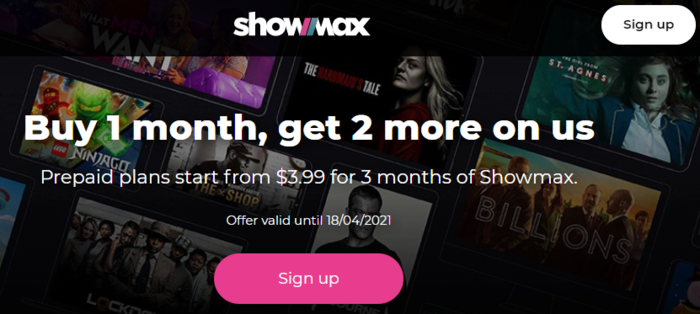
SVOD is often one of the most profitable ways to generate a steady flow of income from your platform, as long as you have content that people are willing to pay for.
Fortunately, research has shown that the estimated revenue and use of SVOD is expected to continue to increase for the foreseeable future.
SVOD allows you to create different levels of access at different prices and make your VOD content accessible to a wider audience.
2. Transactional video on demand (TVOD)
Transaction Video on Demand (TVOD) is a monetization method that allows users to access content on a pay-per-view basis.
You have two options for offering TVOD to your customers:
- Buy permanent access to content with a one-time payment like we used to do with DVDs
- Renting content at a lower cost than buying it, but with limited access time
Revenue in the TVOD market is growing and is projected to reach $ 12,150 million by 2025, according to Statista.
With such a dollar amount, TVOD can be an attractive option.
3. Ad-supported video on demand (AVOD)
Another great way to monetize your VOD platform is through the ad-supported AVOD (video on demand) model.
Unlike SVOD and TVOD, where users pay to view your content, the AVOD model generates revenue exclusively from advertisers. Your users don't pay a penny. Because of this, such platforms usually attract a large audience.
How does this work?
Advertisers pay to have ads placed on your video streams. Instead of paying to watch your content, viewers will see some ads while streaming your video content. A popular example of this is the free version of YouTube.
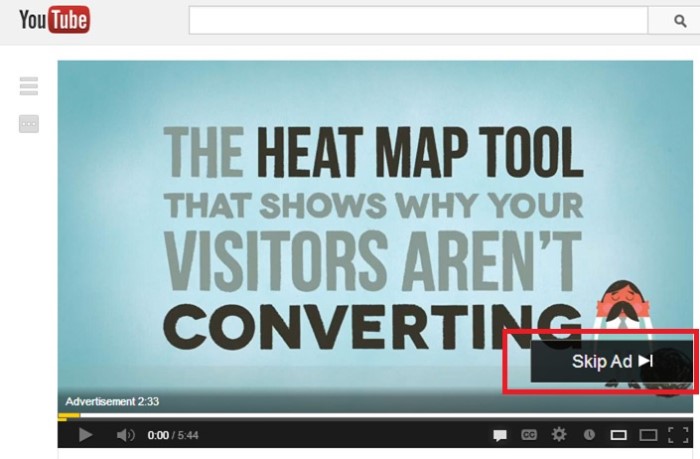
The AVOD model gives you two options:
- Sign up for video advertising networks
- Direct mail
Of course, the more viewers you have, the more likely you are to find advertisers.
Which platforms are best for VOD and OTT?
Ready to start your VoD services?
Not so fast.
You need a VOD hosting platform first. With so many available, choosing one can be a daunting task. Also, if you don't know what you are doing, you can sign up for a platform that doesn't suit your needs.
Here are a few platforms to consider.
1. Uscreen
One of the biggest players in the VOD hosting platform space is Uscreen. The platform is one of the cheapest and also allows small businesses to use its services. For $ 49 a month, you can get access to marketing tools, video hosting services, price controls, and more.
2. Dacast
Dacast is a streaming solution that offers both VOD and OTT functions. Best for business and professional use, they host high quality video broadcasts and live streaming. Some of their notable features include video monetization, robust security, and API integrations. Plans start as low as $ 39 a month.
3. IBM Cloud Video
IBM Cloud Video has a wide range of features that make it easy to customize everything to suit your needs. However, because it has tons of features, it can be tricky to navigate. This makes it best for companies with experienced broadcasters on their team. IBM Cloud Video runs at a higher price than the last two options. The starting plan is $ 99 per month.
Of course, these aren't the only three out there. In addition to some of the well-known platforms we mentioned, here are some things you can also consider:
As the industry grows rapidly, you can expect new players to come onto the scene.
Conclusion
With the right content, target group and monetization strategies, VOD and OTT content can significantly increase your sales.
Would you like to create a VOD / OTT strategy but don't know where to start? If so, can help. Our agency also offers services such as email marketing, SEO, content marketing and paid advertising.
Have you ever used VOD or OTT to generate revenue? If so, how was your experience?

See How my agency can drive Firmly Amounts of traffic on your website
- SEO – Unlock massive amounts of SEO traffic. See real results.
- Content Marketing – Our team creates epic content that is shared, links accessed and visitors drawn.
- Paid media – effective paid strategies with a clear ROI.
Book a call