
An entire information to app monetization
You finally did it. You have created your app idea, refined the product and can now start your mobile app.
Wait, if you've spent the time and resources creating this app, don't you want to earn some for it?
Monetizing apps is critical to the success of your mobile app. Whether you want to bill for downloads or use subscription services for revenue, your app will never be profitable without a monetization strategy.
There are many ways to monetize your app and even more tools to help you with that.
Here are six app monetization strategies that you can use to ensure your app's success.
Why should you have a defined app monetization strategy?
Consumers download more than 200 billion mobile apps annually and spend over $ 140 billion on these apps. In addition, 90 percent of all mobile Internet time is spent on apps. So it's safe to say that your customers are interested in this area. They also spend money.
It is important that you define your app monetization strategy before launching your app. Depending on the strategy chosen, your app needs different functions. If you don't put these in before you start, you'll find it difficult to incorporate them later.
For example, if you choose to make in-app purchases, you need to figure out how and when they trigger in your user experience. If you are using a subscription-based service, you may want to create a free version that users can try out before committing.
6 app monetization strategies
There are many ways to generate income from your app. Before choosing a strategy, think about what your target audience is looking for and how they will behave.
For example, many apps are available to consumers free of charge in the Apple and Google Play app stores. If competing apps offer similar services to yours and they are offered for free, you can be doing yourself a disservice by charging you for downloads.
On the other hand, subscription-based app monetization doesn't work for every product.
Finally, remember that monetization strategies are only part of your app's success story. To truly be an icon, you need to master mobile app marketing and focus on tweaking the app store to bring your product to more users.
1. Download the app from the App Store
Charging app downloads is the oldest trick in the book. When apps were first introduced in the mobile world, most apps cost money to download.
This model is less popular these days as many apps offer in-app purchases or subscriptions instead. However, depending on your target market, charging for your app can be a good strategy.
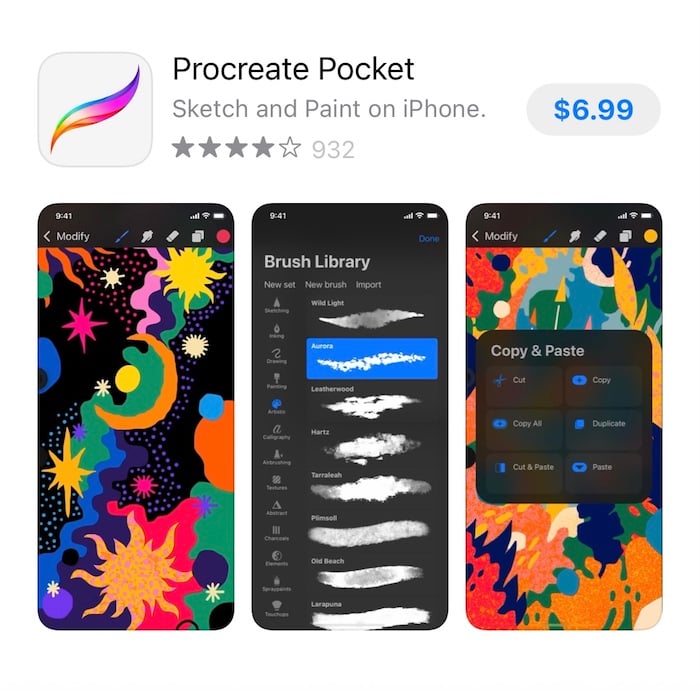
With a paid download, users pay a one-time fee to access your app.
The challenge with this model is that it can be difficult to convince users to pay for your app if they haven't had a chance to use it.
Apple and Google each pay 30 percent of all app purchase fees. Hence, it is important to include these in your budget before committing to this strategy.
If you decide to go with this app monetization strategy, you need to consider how much you want to charge for each download.
It is also important to consider your competition. If other apps with similar service offerings are available for free, you may have a hard time convincing users to pay for your app.
You should choose to charge for app downloads if:
- You can offer services that go beyond your competitors.
- You have a strong marketing and PR strategy.
- Your offered value is the price you ask.
- You want to tie your income directly to downloads.
Not sure what your competitors are offering? Use Ubersuggest's competitive analysis to find out.
2. Offer paid premium accounts
Another strategy for monetizing apps is to offer free downloads but charge a fee for additional features.
This strategy is often referred to as the "freemium model" because it offers free features for all users, but advanced features for those who choose to pay for a premium account.
In this model, you can target users with a free download and then ask for payment for an improved user experience.
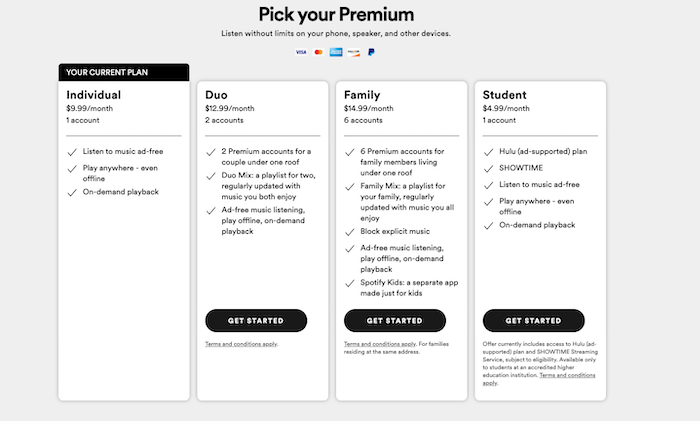
Think of some of the most popular modern apps like Spotify. You can always listen to music for free, but without a premium account you'll have to browse ads between songs. However, for a monthly fee, you can become a Spotify Premium member and listen ad-free. Plus, you can benefit from bespoke playlists, recommendations, and more.
Many "freemium" apps offered tiered payment options. For example, Spotify offers a custom plan for $ 9.99 / month, a two-account plan for $ 12.99 / month, and other options for families and students.
Tiered premium options are a great way to sell more features to customers looking for improved app experiences.
For this strategy to be profitable, your app needs to have a broad user base. This means you need to create engaging content and have a strong marketing strategy behind you. Without this, users will not be encouraged to pay for premium features.
3. In-app ads
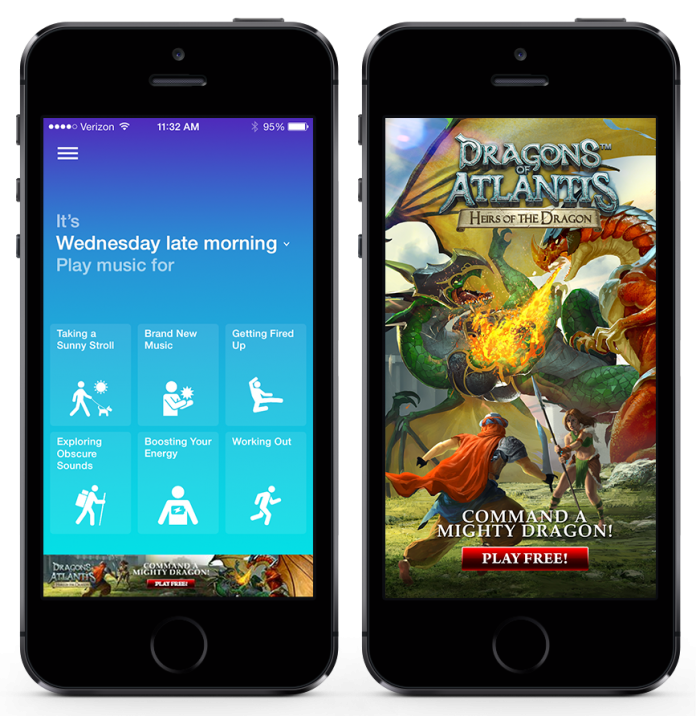
Showing in-app ads is one of the most common strategies used to monetize apps.
This method generates revenue through sponsored ads that allow the app to stay free for users. In a free model, users are incentivized to use your app. The more users you have, the more revenue your ads will generate.
There are three types of advertising revenue:
- Cost per thousand impressions (CPM): The price is calculated for every 1,000 people who see an ad.
- Cost per click (CPC): The price charged each time a user clicks your ad.
- Cost per Action (CPA): The price charged when a user clicks on and completes a particular promotion.
Not every type of ad revenue will work for every app. Therefore, choosing one of these ad revenue streams is an important part of your strategy.
The content of the ads you choose is also important. Your brand integrity is linked to the content you post online. If your ads don't match the content of your app, they can slow down your conversion rates. Ads that don't align with your brand can damage your reputation and drive people away from your app.
To counter this, choose ads that are relevant to your user base and use proper formatting to ensure the ads are served in the highest quality possible. According to Digital Content Next, 78 percent of consumers enjoy ads that are relevant to their interests, but see irrelevant ads as flaws in the apps they deliver.
4. Subscriptions
Another clever strategy for monetizing apps is to dive into the subscription economy. In this model, your app can still be downloaded for free. However, users who log in are offered different services than users who do not.
Depending on the service your app offers, you may want to offer different types of subscriptions based on the features required.
For example, one of the most popular subscription-based apps on the market is Netflix, which brings in around $ 25 billion annually with its subscription-based service. In this model, users can choose to pay a low monthly fee to access their app on one screen or a higher monthly fee to add additional screens, HD and Ultra HD. In this way, Netflix increases the income of families or users who want to share a subscription.
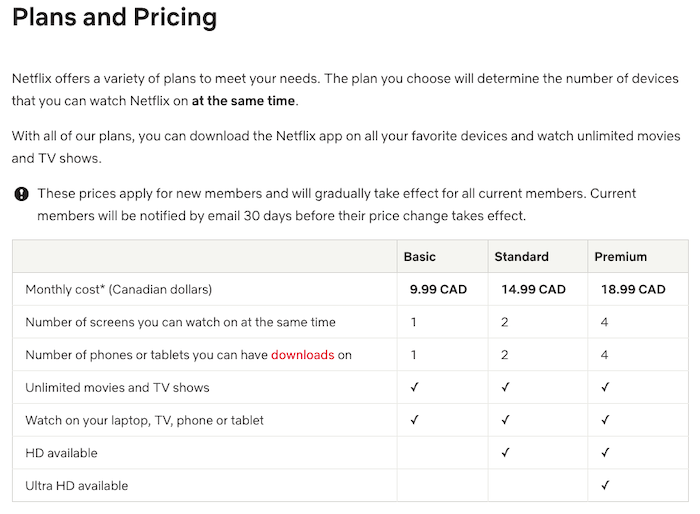
When choosing a subscription-based app monetization strategy, consider what type of subscription plans you might be offering. You may want to offer a free, simple, and premium service, or customize your plans for different types of users. For example business, personal and business.
Subscription services can also be used in conjunction with an in-app ad strategy to ensure that your app is generating revenue from every user who opens your app.
5. Partnerships
Sponsorship and partnerships can also be a strategy for monetizing smart apps.
If you already have an established app or a large user base, you can forge strategic partnerships with well-known brands that want to connect with your audience.
Sponsorship helps connect your audience to other relevant brands and can strengthen brand integrity through smart partnerships. On the sponsor page, they open their advertising to new population groups and have the opportunity to make new content available to interested consumers.
One way to sell your partnership within your app is by using a splash screen. This content is usually triggered when a user opens the app and fills the entire screen with a relevant ad. This gives your sponsor maximum visibility and visibility.
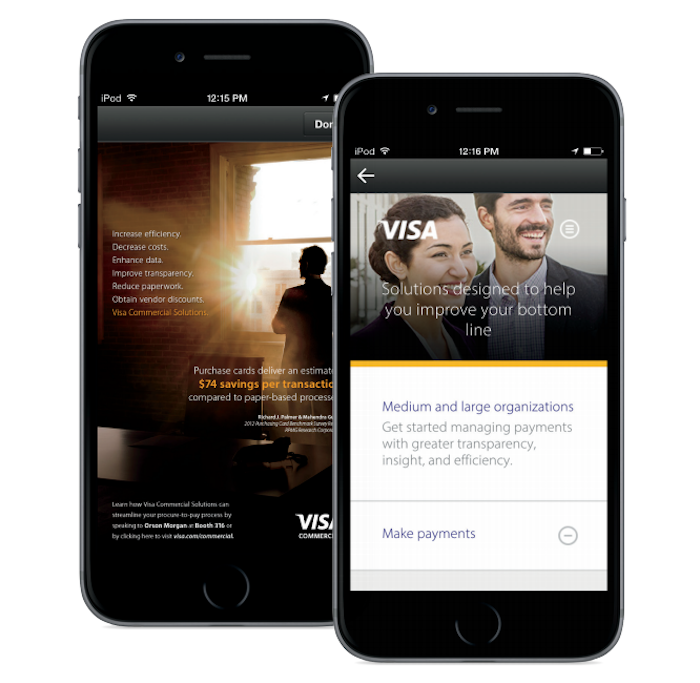
You can also use in-app ads, social media campaigns, and custom in-app content to promote your partnerships. A mixture of all of these strategies is likely to be the most effective.
6. In-app purchases
In-app purchases represent an industry valued at $ 50.1 billion worldwide. This strategy can be especially useful if your app is free as it provides a way to generate revenue without billing for your service.
The most popular examples of in-app purchases come from the gaming world. Popular games like Pokemon Go allow users to buy coins and items with real money. This usually extends the life of the game or gives them access to additional features.
According to Pocket Gamer, Pokemon Go made over $ 2 billion from in-app purchases in the first two years after it was launched.
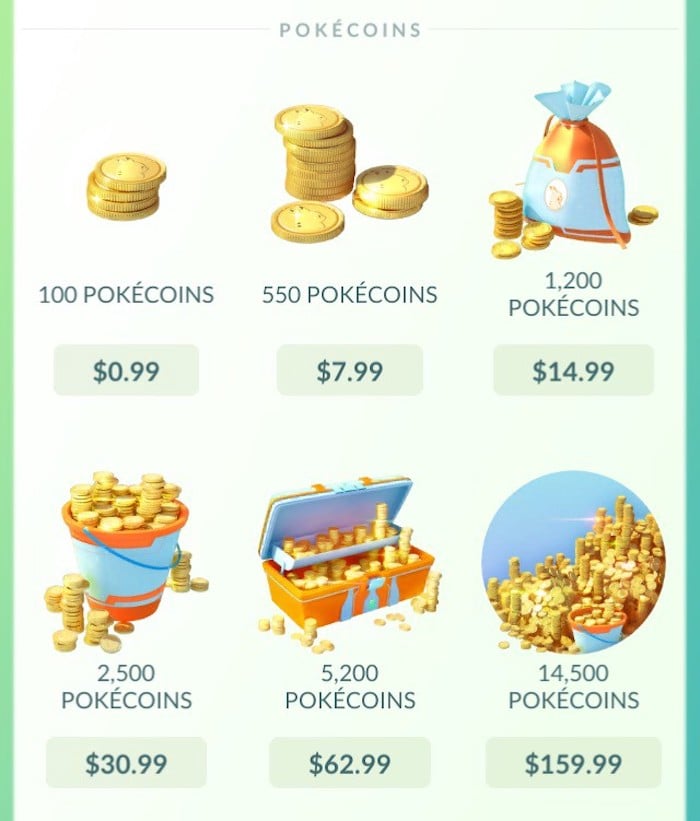
If you want to use in-app purchases in your app monetization strategy, consider what features you can offer to improve your user experience. Successful in-app purchases use gamification and offer benefits to the user.
How to choose an app monetization strategy
When considering which app monetization strategy to use for your app, you need to consider your audience, service, and features.
While some app monetization strategies may be easy to implement, others need to be considered in the early stages of your app development.
Think about how your app is being used, how you want to market it, and how you would like it to evolve in the future.
Also take into account your own abilities. If you're a world-class marketer, using an in-app advertising strategy can be a smart move. If you are a public relations professional, strategic partnerships and sponsorships might be the way to go.
Always remember to consider your competition in the market. Do in-depth research with competitors and gather data on how similar audiences use similar apps.
With all of this, you are ready to choose an app monetization strategy that will bring your business a continuous return on your investment.
App monetization strategy tools
Once you have decided on a strategy, you can use certain digital tools to implement it.
Here are some of the most popular app monetization tools right now:
- RevenueCat is a subscription platform for mobile apps. With this tool you can analyze customer data, create in-app subscription programs and extend your app online.
- Smartlook is a mobile app analysis tool that allows you to collect critical user data to determine your strategic positioning.
- soldering is a customer loyalty platform that enables you to create personalized customer experiences in real time that can contribute to user loyalty and loyalty.
- Appy Pie is a tool that allows you to build an app without any code. From there, shopping, social, and business integrations can be added seamlessly to monetize your app.
Conclusion
Now that you have a good idea of the app monetization strategies available, it is time to market your mobile app. Remember that a strong marketing strategy contributes to a strong sales strategy. Hence, it is important to integrate both in order to be successful.
While many of the strategies included on this blog are sales-generating strategies, it is important to create inbound app marketing strategies.
From there, it's all about creating great user experiences that will drive your customers to learn more.
How have you been successful in monetizing mobile apps?

See How my agency can drive Firmly Amounts of traffic on your website
- SEO – Unlock tons of SEO traffic. See real results.
- Content Marketing – Our team creates epic content that is shared, links accessed and visitors drawn.
- Paid media – effective paid strategies with a clear ROI.
Book a call