
Simon Bailly creates spectacular pictures in a retro future world
Growing up in the books of the artist Tomi Ungerer sparked the desire in the French illustrator Simon Bailly to tell stories through pictures. Most of all, while studying illustration, he learned to tell a story simply through a picture or a series of them. "It's something I use in my work every day," he says. "For example, in my work for newspapers, I need to understand an article, pick up the main ideas, and draw a picture to create a more compact understanding of the article, basically my vision for the text."
Bailly initially illustrated for the French newspapers Liberation and Le 1 and now works for several publications, including the New York Times, Los Angeles Times and Kiblind. He has also acquired several commercial clients including BETC and Hermés.
Untitled. All pictures: Simon Bailly
In addition to Ungerer, Bailly has drawn inspiration from Maurice Sendak, Wolf Erlbruch and Jean de Brunhoff as well as contemporary names such as Tom Gauld over the years. Daniel Clowes and Adrian Tomine. What all these artists have in common is that they use the “Ligne Claire” style, French for “clear lines”.
Developed by Hergé, creator of The Adventures of Tintin, the style uses strong, clean lines with no hatching, while keeping contrast to a minimum. "I think my style is definitely in that "mood". Most of my illustrations are narrative, so now I'm working on making my characters more expressive, ”explains Bailly.
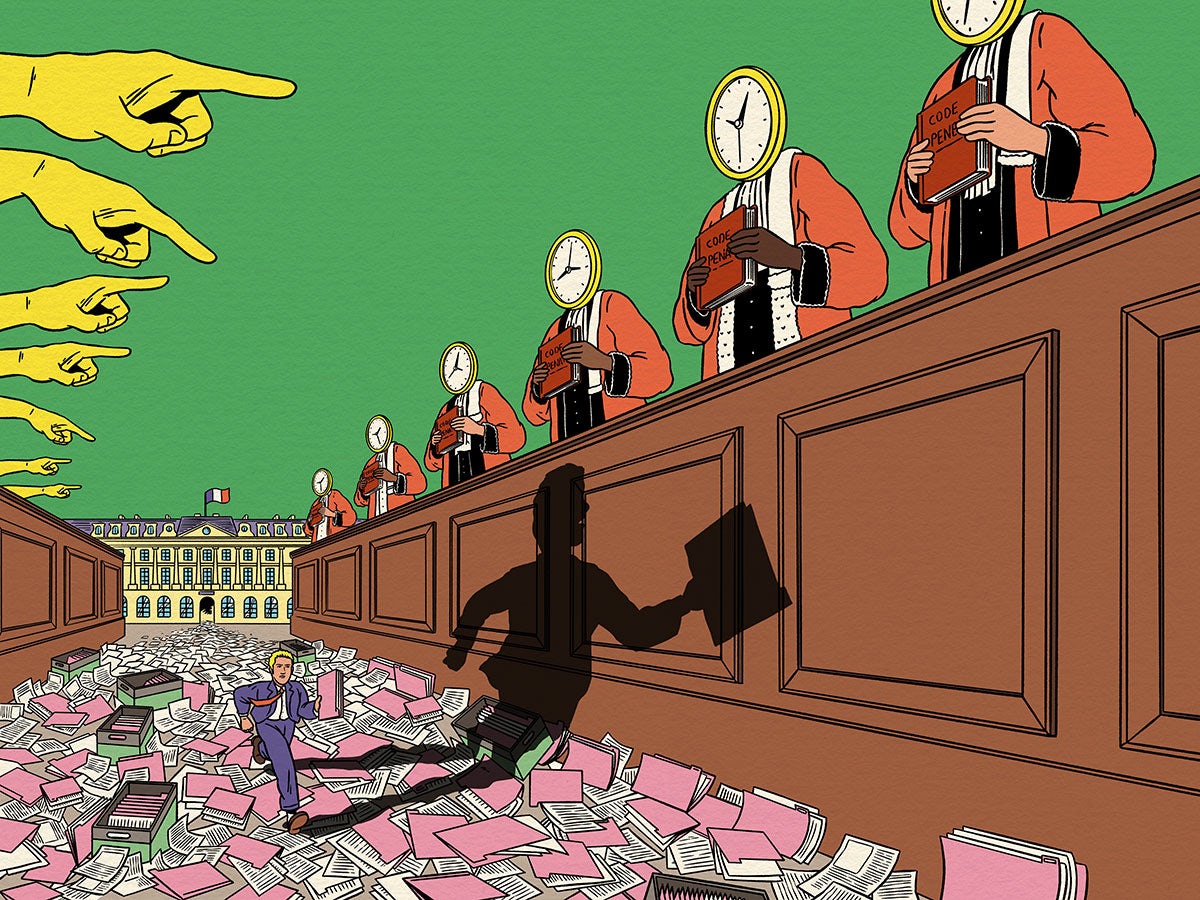 Illustration for Le 1
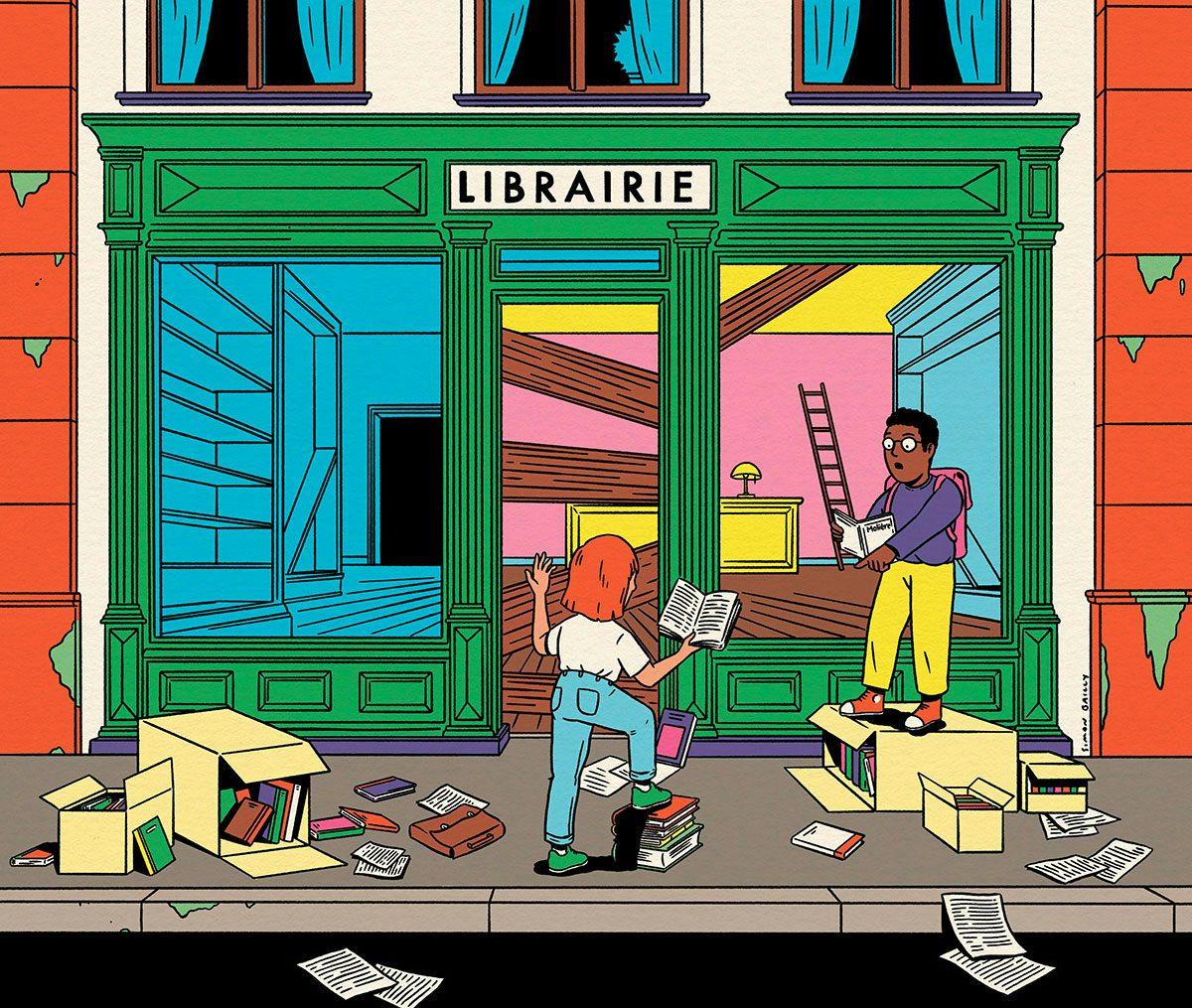 Illustration for Le 1
To achieve the precision of his illustrations, Bailly usually works in Procreate on an iPad for assignments, but when the piece is just for him he likes to draw in ink and brush.
Many of his works take place in a retro-futuristic world and take on the look of old comic book covers. His use of bright colors and strange characters reinforces that aesthetic, as does references to television shows like Twin Peaks, the Twilight Zone, and Star Trek, and the weird conspiracy theory like Roswell.
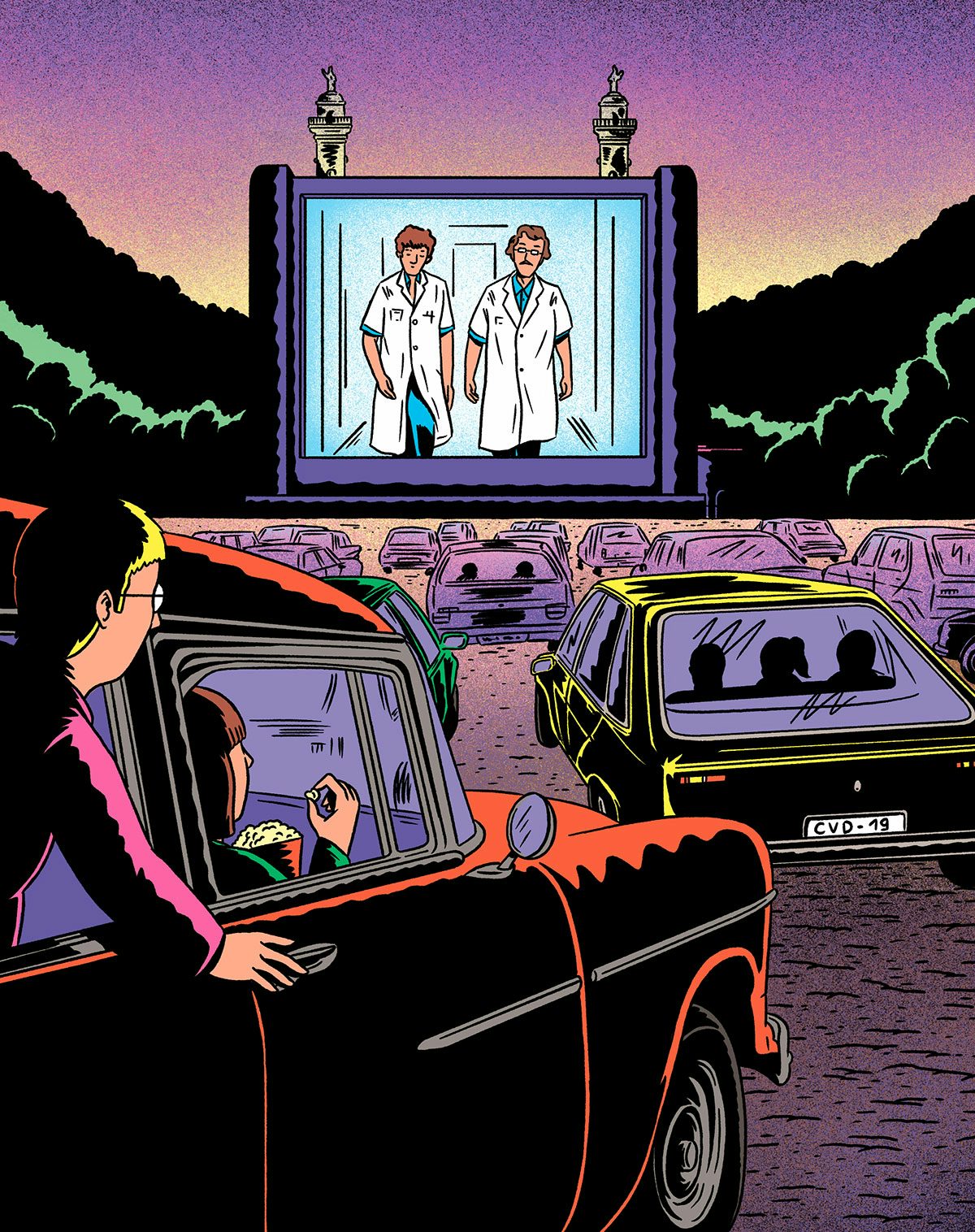 society
Many of Bailly's personal illustrations start life after being inspired by a television documentary or newspaper article. For his newspaper assignments, he begins to draw small sketches that only he can understand. "Then I'll draw the 'good' illustration," he says. "It's always quick because I don't want to draw the same illustration for several days, so I have to change every day."
Part of what he likes best about working on assignments is the opportunity to learn something new and the freedom to create the unexpected. "I prefer when the art director doesn't give me hints or directions for the drawing," says Bailly. "This means that I can search the Internet for more information and other articles and compile the illustration from different sources, just like a journalist does."
simon-bailly.com