
Advertising and marketing automation consulting
Why aren't more companies adopting marketing automation?
A recent survey by Liana Technologies found that 60 percent of respondents said they didn't know how to use marketing automation. They cited a lack of know-how as the main reason they didn't launch marketing automation campaigns.
Half of the respondents also cited a lack of strategy or staffing as another reason they weren't pushing marketing automation.
As you can see from the research, these companies need marketing automation advice.
10 Ways A Marketing Automation Consultant Can Help Your Business Grow
Marketing automation is often seen as a nice option that could be helpful but is not essential for businesses looking to grow. Marketing automation is not an extra. It is a component that is an integral part of your marketing.
This isn't always that clear until you break down the benefits of marketing automation.
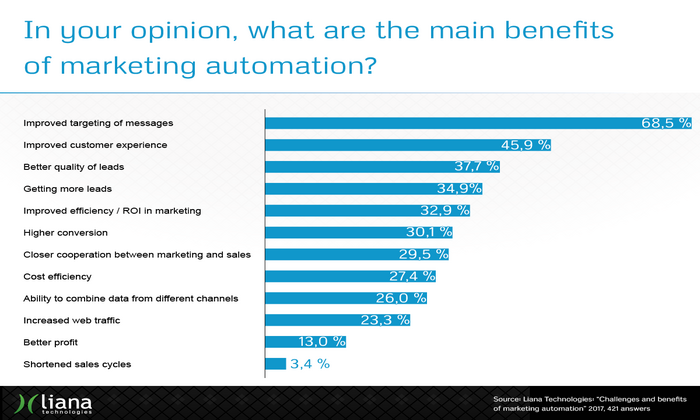
Here are ten ways a marketing automation consultant can help you grow your business.
- More targeted marketing: Many companies force their customers into the same marketing funnel. They don't focus on tweaking their funnel based on the buyer's journey, so most potential customers fall out of their marketing funnel. A marketing automation consultant will help you segment and target your customers correctly. A good advisor will help you identify customers who are ready to buy, leads to nurture, and leads to disqualify.
- Improve customer experiences: According to Salesforce, 76 percent of consumers expect you to understand their needs and expectations. Another 84 percent said they were "treated like a person, not a number" to earn their business. With marketing automation, you can do this on a large scale so that you can deliver the personal attention and personalization that customers expect.
- Increased traffic: Big companies are into analytics, but most don't know how to use their data. Most do not have a data-driven culture, so many companies find it difficult to have confidence in their marketing decisions. However, these aren't all big companies. It is most companies in general. This means that it is more difficult for companies to identify the well-functioning traffic sources than those that don't. Marketing automation tools like lead scoring and lead nurturing can help you identify your top performing traffic sources.
- Higher quality leads to: When customers go through the same segments without segmentation, lead quality suffers. Your marketing automation consultant should help outline the buyer's journey and segment customers based on their place in the funnel. This increases lead quality as customers are pre-qualified before and after the conversion. This will keep the quality of leads sent to sales high.
- More information: Once you've identified the list of marketing automation tools and workflows that you need to generate quality leads, you can use those same automation tools to scale your lead generation campaigns. Your marketing automation consultant will help you increase lead production by learning the lessons from your smaller campaigns. They know which traffic sources are working best, how to improve lead quality.
- Increased conversion rates: One of the hidden advantages of marketing automation is that the benefits are cumulative. Your marketing automation consultant will show you how to combine the strategy, tactics, workflows, and tools you've put together into a single system. When each component is optimized, it should consistently result in higher conversion rates in your campaigns over time.
- Increased ROI: As your conversion rates go up, your ROI keeps growing. A great marketing automation consultant will show you how to maintain your ROI as you continue to scale. You should be making more income with less spending over time.
- Reduced costs: As metrics like your return on ad spend (ROAS) and conversion rate improve, you should see a decrease in costs (e.g. cost per lead, cost per action, customer acquisition costs) Your marketing automation advisor should monitor your returns and expenses, and make sure they are both moving in the right direction.
- Data exchange between marketing channels: Your marketing automation stack should provide your team with the right data analysis tools. When you use analytics tools like Cyfe or Power BI, you want to make sure your team can access data across marketing channels. Your advisor should help you set it up so your team has the necessary access to data. This will reduce operational silos and keep everyone on your team on the same page. No more battles between sales and marketing for control.
- Shorter sales cycles: Let's say you've received two sets of leads. Set A has customers ready to buy now. You have done your homework and decided that your company is the best fit for you. Set B has interested customers; You won't be ready to make up your mind for three to six months. Set A has a shorter sales cycle – your advisor will help you find and segment these customers when they get into your funnel.
These advantages are not random one-offs. These are the results your business needs to grow. The problem with growth is scaling. As you grow, it becomes more difficult to manage all of this manually.
Get started with a marketing automation consultant
Your marketing automation consultant should be a specialist with extensive automation experience. You should also have experience in a variety of marketing disciplines and channels, including:
- Advertising (advertisement, content,
- Analytics
- Branding
- content
- Direct answer
- Market research
- Cell phone, mobile phone
- sales
- Search (organic and paid)
- Websites (e.g. optimization of the conversion rate, usability, etc.)
When you're ready to get started with a marketing automation consultant, there are a few things you need to prepare beforehand. Preparing in advance makes it easy to get started. Your advisor doesn't have to waste a lot of time (and your money) bringing you up to date.
You both can step in immediately.
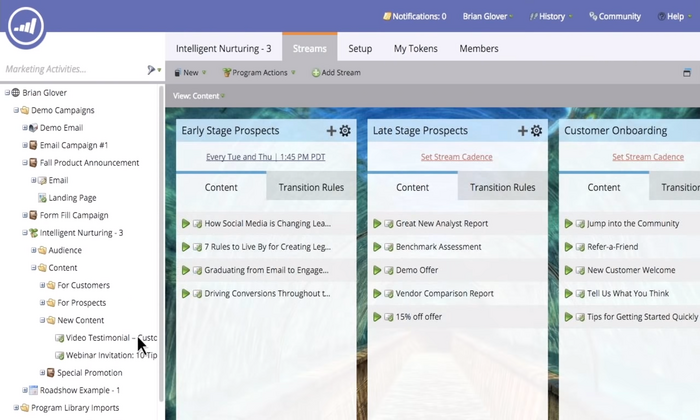
You want to make sure you have a list of:
- Goals, KPIs and Goals: For example, this could include a list of the tools that you want to include in your technology stack and the performance of those tools. This could also provide your advisor with information about the specific outcomes you want to see due to automation (e.g. a 7 percent increase in productivity, shorter sales cycles, less duplication, improved utilization rates, etc.).
- The tools and resources that you use: You want to make a list of the tools and resources you are already using. Gather additional information on the number of users for each software, tool, or subscription. Make a note of all API keys and special instructions. Also add a list of the software, tools, and resources that you plan to use.
- Decision makers and influencers: When you're part of a team, you may find that some people aren't that excited about sharing their data. Others are interested in working with your advisor to automate important marketing tasks. Sharing a list of decision makers and influencers with your advisor will make things easier for you. Right from the start, they know where everyone is and who to speak to if they need help getting everyone on the same page.
- Obstacles and challenges: You want to outline the list of obstacles and challenges that may prevent you from achieving the goals listed above. Some of the services you use may not offer an API or may not integrate with third-party services such as Zapier. Some of the tools in your list may be out of date or may be unsupported legacy options (i.e. legacy software on Windows XP).
- Policies and procedures: If your company has specific policies, procedures, or guidelines for software purchases, you'll want to share them with your advisor as well. You want to tell your advisor what is allowed, required, prohibited, and unacceptable. You want to tune your advisor for success by giving them clear guidelines to follow. This will help your business grow.
- Strengths and weaknesses: This step is uncomfortable, but also important. If your team, department, or company is having problems in a specific area, make it as clear as possible to your advisor. Does your company take a long time to make important decisions? Is your organization good at finding great people and contractors? Give your advisor a brief overview of your strengths and weaknesses. It's easier to get people on board when you know what you're working with.
Exchanging this information in advance will make the automation smooth and efficient.
If you've already answered these questions for your advisor, they can turn their attention to helping you automate your marketing campaigns, projects, and tasks.
Measuring the ROI of Marketing Automation Consulting Services
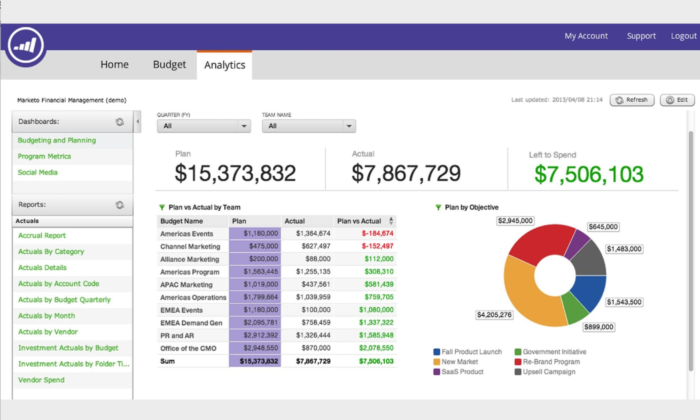
In general, advisors aren't particularly important in measuring ROI, but they should be. It is reasonable to expect the same from your marketing automation advisor. Once you've done the groundwork mentioned earlier, you should have everything you need to measure ROI in advance.
Remember the list of Goals, KPIs and goals that you wrote down earlier?
Your advisor should be able to help you refine your goals. If you haven't already, you'll want to add some specificity to these goals. You want to add certain numbers and facts. or numbers on these goals. Use these numbers as a general guide. You want to discuss these with your advisor to make sure they are realistic and achievable.
Here are some examples you can use:
- Productivity Increase Will – Increase the productivity of our marketing team by 16 percent
- Improving Lead Quality Will – Use Lead Scoring to Increase Marketing Qualified Lead Volume by 6 percent
- Identifying the Best Performing Marketing Channels Will – Identify the best performing marketing channels by automating URL tagging for all current and future marketing campaigns
- Will Reduce Customer Acquisition Costs – Reduce customer acquisition costs for Google Ads by at least 11 percent
Measuring your ROI is pretty easy when you have a clear idea of your campaign goals and objectives. The easier it is for you to list a starting point, the easier it is for your advisor to help you achieve your goals.
4 point checklist for finding the right marketing automation consultant
Choosing the right marketing automation consultant is easy when you have prepared in advance. From there, you can review advisors just like any other adviser or professional. First, outline your process, list your goals and objectives, your current technology stack, decision makers, influencers, etc. Second, filter your vendors through your process and make sure each candidate meets the criteria you set.
Here is a shortlist of the criteria you can use to rate your consultants.
- You understand digital marketing. The best marketing automation consultants are marketers themselves. The ideal candidate is a marketing veteran who has managed marketing campaigns from the beginning to the end of his career. You are looking for someone who started out as a marketer.
- You understand your business. Your marketing automation consultant should have a thorough understanding of your business – how it works, what it needs, mistakes to avoid, etc. If you run a retail or ecommerce business, your consultant should have experience managing retail marketing campaigns have or e-commerce company. You are looking for someone who has a native understanding of your company.
- They are data driven. Marketing automation requires a mix of art and science. You need someone who enjoys reading data but has the skills to explain it to people on your team who are not data-driven. The ideal consultant can tell stories with data and help your team make important decisions.
- You are proactive and competent. When it comes to automation, you shouldn't be as knowledgeable as your advisor. You should be able to make recommendations and connections that you haven't even thought of. They should be able to help you automate your campaigns in new ways. to increase your productivity by customizing your marketing stack.
This checklist is pretty simple.
A great marketing automation consultant should be able to comfortably handle everything we've covered. They should be able to break things down for you and show you how to improve your plan, refine your goals and objectives, and expand your technology stack.
You should ask questions.
If you are good at what you are doing, you will have some questions and requirements of your own.
Conclusion
While many companies are making the move to marketing automation, most don't have a clear plan to follow. Companies cite a lack of know-how, strategy, or personnel as reasons why they haven't been fully involved with marketing automation.
However, that is changing quickly.
More and more companies are investing in marketing automation. You take the time to implement a strategy for your company. Marketing automation is not an extra. This is a component that is an integral part of your marketing, especially as your business grows.
With the right advisor and a clear strategy, you will have the people, processes and technology you need to grow your business quickly.