
How might deepfakes change advertising and marketing?
Deepfakes get a lot of bad press.
US Senator Marco Rubio (R-Fla.) Called the technology a propaganda weapon.
Sheryl Sandberg, Facebook COO, said deepfakes pose the problem of not believing what you're seeing.
Investigative journalist Rana Ayyub has been targeted with a fake pornography video to discredit and silence her.
With so much negativity about technology, is there a chance it will bring good to the world?
Yes! The possibilities when you combine AI technology with marketing are exciting and can forever change the way we talk to our customers.
When used with positive intent, they are a powerful marketing tool.
Below, I'll explain exactly what these videos are, what their drawbacks are, and how marketers are currently using deepfakes to create stronger campaigns.
What are deepfakes?
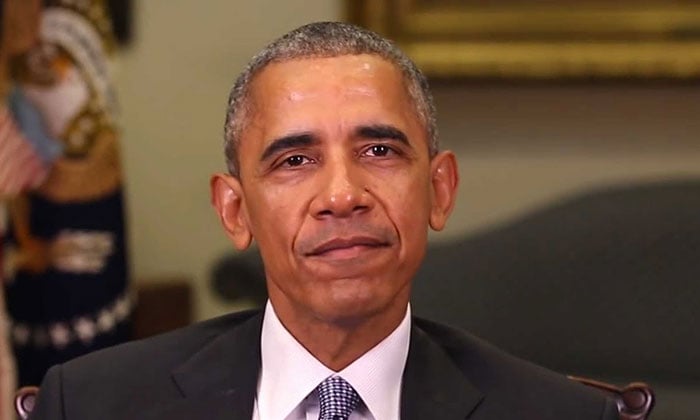
Have you seen a Barack Obama YouTube video calling Donald Trump "total shit"? What about Jon Snow apologizing for Game of Thrones' disastrous season finale?
If you answered yes, you saw the wrong video.
The term “deepfake” was coined in 2017 and is a combination of “deep learning” and “fakes”. It uses deep learning technology (a branch of machine learning) to create the impostor.
Artificial intelligence (AI) learns what the source face looks like from different angles and then superimposes it on an actor's face, essentially creating a mask.
For example, suppose you have a database of someone's audio clips or video files. You could create a hyper-realistic fake video of celebrities discussing the future of cinema or revenge porn.
Hollywood has already taken advantage of deepfakes by rendering real faces on other actors. The most notable example is bringing Carrie Fisher back to life for a brief scene in Rogue One: A Star Wars Story.
While many fear the technology is being used for nefarious purposes (more on this below), deepfakes offer a number of fascinating possibilities. You can create apps to try out a new hairstyle or use them to help doctors with medical diagnosis.
The disadvantages of using deepfake technology
With the advent of deepfake technology, it's not difficult to understand why some people are skeptical and even fearful that it will be widespread.
After all, advances in this technology make it difficult to distinguish between real and fake.
This can lead to serious dangers like fake news, putting words in the mouths of politicians or celebrities, and ruining people's lives with fake pornography.
Lack of confidence
Deepfakes can create a culture of suspicion and not knowing what to trust. If the president is holding a press conference that incites violence but it is fake, how do you know what to believe?
For example, a deepfake by Mark Zuckerberg made the rounds on the Internet. The video shows the CEO of Facebook giving a speech about how the platform “owns” its users and recognizing an organization called Specter for the success of Facebook.
Increase in fraud
Another disadvantage is the possibility for scammers. Audio deepfakes have been used to scam people out of money.
For example, the UK subsidiary of a German energy company paid nearly $ 243,000 into a Hungarian bank account after a fraudster mimicked the voice of the German CEO.
The core message for both examples is not to know what is real.
Consumers are already questioning what they are reading online using social media sites like Facebook, Twitter, and Instagram, and are adding fact-checking processes to the content. Deepfakes can create more distrust of everyone around us and lead us to question everything we see and hear.
7 ways marketers can use deepfakes
Despite all the setbacks and potential pitfalls of deepfake technology, can marketers use it forever?
The answer is yes!
Some of the world's biggest brands are already experimenting with deepfakes and using them to create unique and engaging content.
As long as you are transparent about how the technology is being used, you can create a more dynamic consumer journey.
1. Dynamic campaigns with influencing factors to increase reach

Imagine an influencer approves an ad campaign and only offers you 20 minutes of audio content and some video recordings.
No long photo shoots or days of filming required.
Not only does this save you time, it also opens the door to creating dynamic campaigns, including large-scale micro-targeted ads.
Case in point: David Beckham's malaria awareness ad for 2019. The deepfake had the soccer star speak in nine languages and is a great example of how this technology can increase the reach of a campaign.
Translating an ad into multiple languages also allows brands to seamlessly enter new markets and speak to consumers in their native language while still benefiting from the influencer or celebrity resemblance.
2. Hyper-personalized campaigns for your target audience
While some people want to ban deepfakes because they can be used to fool people, this is a creative and breakthrough technology for marketers if used forever.
If you're in the fashion industry, you can easily view models with different skin tones, heights, and weights.
For the average person who sees thousands of ads daily, using this technology to create psychological property and view the product as an extension of themselves is critical to avoiding the noise.
It also helps marketers create hyper-personalized ads. The benefits of creating a multi-segment shopping experience mean you can take advantage of personalized marketing.
3. Product ownership to increase sales
Another way to get started with deepfakes is to use the technology to create personalized videos of your customers using or wearing your products.
With Reface AI, for example, users can virtually try on the new Gucci Ace sneaker as part of a virtual try-on process. Users can browse shoe options and view them on foot by pointing the phone at their feet.
Savvy marketers know that when people feel like they own the product, the likelihood of a sale increases. It doubles down to the sensory experience, where the longer someone looks at and holds a product, the more likely they are to buy it.
Deep learning can help stimulate the same experience with a deepfake of the customer behind the wheel of the latest BMW or a makeup look with the latest MAC eyeshadow palette.
4. Hold exhibitions and events anywhere in the world
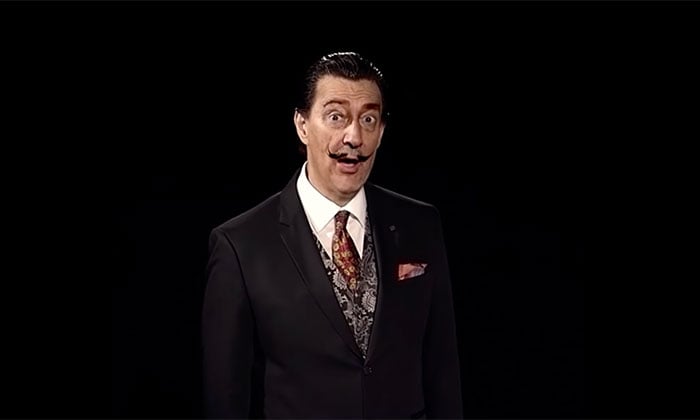
Deepfakes open up a world of exciting opportunities for the event and art industry. With this technology, you can recreate objects or people anywhere in the world at the same time.
One example is the Dalí Museum in St. Petersburg, Florida, which uses a deep fake Salvador Dalí to greet guests. It creates a more engaging experience for visitors and brings the surrealism master back to life.
Dalí's video was created using over 6,000 frames of video footage from previous interviews and 1,000 hours of machine learning to overlay it on an actor's face. What makes the deepfake even more impressive is that Dalí is interactive. The video offers more than 190,000 possible combinations, depending on a person's answers.
While we already have holographic concerts for famous musicians like Michael Jackson, deepfakes would give attendees a more hyper-real experience. Art exhibitions can use the technology to display works of art around the world at the same time.
Marketers can go a step further and create deep counterfeit products (like the new iPhone) to generate buzz before launch, and create an interactive Steve Jobs to answer questions about the latest device.
5. Use deepfakes to entertain your audience
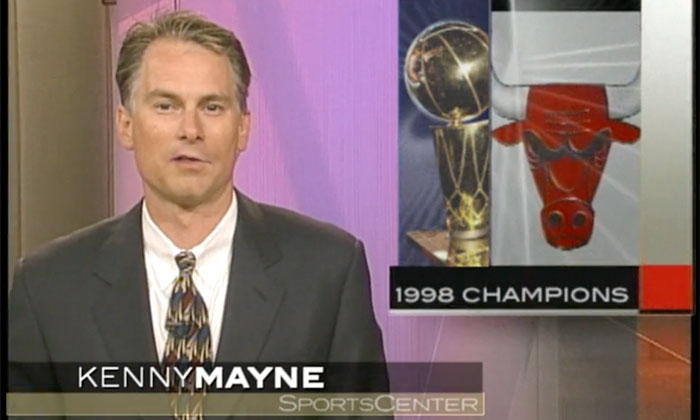
Marketers can use deep learning to create advertising campaigns that we could never have done 20 years ago.
State Farm is a leader in promoting The Last Dance, an ESPN documentary about Michael Jordan and the Chicago Bulls.
State Farm used deepfake technology to overlay the 1998 SportsCenter footage to make it look like Kenny Mayne predicted the documentary.
The ad's success led to a follow-up ad starring Keith Olbermann and Linda Cohn, who "predicted" the success of Phil Jackson when he left Chicago to run the Lakers.
These deepfakes are there to keep audiences excited and create viral content for the brand.
6. Market segmentation and personalization
One of the most successful deepfake examples for market segmentation is the 2018 Zalando campaign with Cara Delevingne.
The concept of the campaign was to create an awareness of Zalando, which now offers top shop fashion to people in the most remote parts of Europe.
With a single video shoot, they created 60,000 tailor-made video messages for every small town and village in Europe. Deepfake technologies were used to create alternative recordings and language fonts. Using Facebook's ad targeting, they showed users the specific video that mentions their hometown.
The campaign received more than 180 million impressions and Top Shop's sales rose 54 percent.
This can help marketers eliminate further customer generalizations or affinity groupings and create content that speaks to people on a more individualized level.
7. Educate consumers with deepfakes
Do you have a product with a learning curve? You can use deepfake technology to train your customers on how to use it and improve their skills.
For example, if you're a camera brand like Canon, you could use an AI teacher to help inexperienced photographers learn faster. The technology can point out compositional errors, give hints about camera settings, and help you slowly master your device.
At trade fairs, potential customers can practice taking photos, learn from the AI or test their skills against counterfeiting. This can help create an interactive experience, put the product in the hands of the person, and build brand loyalty.
Conclusion
Of course, there will always be a few bad apples. While some people are wreaking havoc with deepfakes, there are plenty of golden options for marketers.
With this technology, you can create hyper-personalization, instantly duplicating your marketing efforts, increasing brand loyalty, and leveraging product ownership to drive sales.
What do you think of deepfakes in marketing? Do you think the potential to do good outweighs the bad?

See How my agency can drive Firmly Amounts of traffic on your website
- SEO – Unlock tons of SEO traffic. See real results.
- Content Marketing – Our team creates epic content that is shared, links accessed and visitors drawn.
- Paid media – effective paid strategies with a clear ROI.
Book a call