
Utilizing Beacon Information with Paid Search and Social Campaigns
Beacon technology is the next generation of proximity marketing. If you don't use it, you could fall behind your competitors.
By leveraging the data collected by beacons, marketers have more options to track paid campaigns, send personalized messages to consumers, and improve local search engine optimization.
In addition, the beacon technology market is exploding. Statista predicts the market will grow to $ 56.6 billion by 2026.
What is beacon technology?
Beacon technologies are small wireless transmitters that send signals to smartphones using Bluetooth technology.
The beacon device contains a CPU, a radio and a battery that can be used to send a constant identifier.
When a nearby mobile device detects the identifier, a connection is established. From there, the beacon will perform whatever actions it is programmed to do, including sending out emails and notifications or assigning advertisements.
Essentially, beacon technology lets you communicate with nearby smart devices to improve location-based search and tracking.
For example, if you've installed a beacon in your store and a customer walks in who clicked on one of your Facebook ads, you will know exactly how they found you.
Beacons can also promote customers by sending coupons to users who clicked an ad or visited your store but did not make a purchase.
For example, a retailer in a busy mall could install beacons in a store and connect them to the ecosystem of a larger mall. From there, you can participate in localized marketing campaigns and serve ads to customers who purchase similar items in your area.
ELLE Magazine took advantage of this strategy in American malls and brought 500,000 shoppers into their stores.
Beacon technology for organic and paid advertising campaigns
Organic marketing is the process of naturally attracting customers to your business over time. Organic marketing tactics can include SEO, content marketing, social media, and website development.
Paid marketing is when you pay to get your message or product out to an audience. Examples of paid marketing include Google Display Ads, Facebook Ads, and traditional marketing such as television and print advertising.
Beacon technology can be used for both paid and organic strategies. It's about what's best for your business. Let's look at the pros and cons of using beacon technology for organic and paid ads.
Advantages of beacon technology in bio-marketing
- The cost is low: Beacons are usually cheap and require very little maintenance. If you already have a strong content strategy that will bring customers into your physical store, there is a way to improve their experience with beacons.
- Better customer experiences: The best way to retain customers is to make them feel like they are being seen. Beacons help you to send personalized messages that are tailored to your individual needs.
Disadvantages of Beacon Technology in Organic Marketing
- It takes time: Organic marketing doesn't bring instant results. It takes time to get your message out there, get consumers interested, and encourage them to come into your business.
- You need expertise: If you want to be successful, you need a large ecosystem of content that is already working for you. If you don't have enough content or it doesn't work well, you won't be attracting the customers you are looking for.
Benefits of Beacon Technology in Paid Marketing
- Fast results: When you pay to play, your results will appear faster. For example, sending targeted ads to customers in your area will help your product show up in front of consumers faster.
- Insight Help: If you have the right tracking systems in place, you can understand how or why your customers found your product and then use that information to attract new leads. You can also use the data collected to further customize your messages and improve overall reception.
Disadvantages of Beacon Technology in Paid Marketing
- The cost is high: Advertising costs paid can be high. You need a budget to use paid marketing with beacon technology.
- Strategy is important: You need skills and expertise to run effective paid campaigns. While beacon technology can improve your ability to track leads, it only helps if you know how to use the data.
How does beacon technology work in paid advertising campaigns?
Beacon technology makes it easy to track paid advertising campaigns and understand how they affect pedestrian traffic. Beacons also provide real-time customer data, making it easier to see customer behavior and shopping patterns.
For example, let's say a customer sees your Google display ad and decides to come to your store to view an item. Your beacon will collect its data from the moment it saw your ad until it hits your store.
You can also collect information with your beacons in order to create precise customer personalities and improve your geotargeting.
You can do this by simply walking through your store with your beacon and collecting consensual user data in the process. Or install it in your store and collect information on current customers. These personas can help target paid campaigns and improve the ROI on ad spend.
Beacon technology can also improve the paid measurement data. For example, Facebook ads typically have a one percent click through rate. If you're running a beacon campaign at the same time, you might see a four percent CTR.
Plus, proximity marketing is 16 times more effective than Google's pay-per-click. This is due to the additional personalization options.
Benefits of Using Beacon Technology for PPC and Paid Social Campaigns
Beacon technology can help drive in-store purchases by sending relevant offers and coupons directly to customers. If they are already in your business, they will be interested in your product, so your success rate can be much higher.
You can also make return visits by sending departure notifications. For example, if a customer just bought a product from you, send them a coupon to encourage them to come back.
Beacons can also be used to easily track ad associations. You can clearly define when, where and how an ad was delivered to a customer and whether they used the offer during their visit.
Do not you believe it? Look at these statistics.
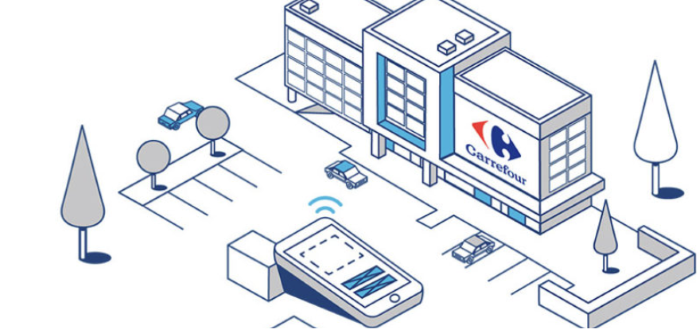
When Carrefour installed beacons in 28 of its busy Romanian stores, mobile app engagement increased 400 percent
When Allrecipes deployed beacons in Marc's grocery stores in Ohio, mobile views rose to 35.9 million per month.
Now it's your turn to build a successful beacon campaign.
Set up beacon technology for paid advertising campaigns
The interaction between beacons and mobile devices is not automatic. Users must consent to their data being tracked and stored.
In addition, each beacon has a unique identifier that can contain different types of data, e.g. B. Location data, supplier information, business departments and sub-regions.
This means that your beacons must be set up correctly for paid advertising campaigns. Below, we'll walk you through the process to ensure you are getting the most out of your beacon technology ad campaign.
Choose a device and platform
The first step in setting up your beacon-powered paid campaign is choosing a beacon manufacturer and platform.
Here are some of the most popular beacon options on the market.
You also want to define how many beacons you need. It depends on the size of your business and the obstacles that might be blocking the signal.
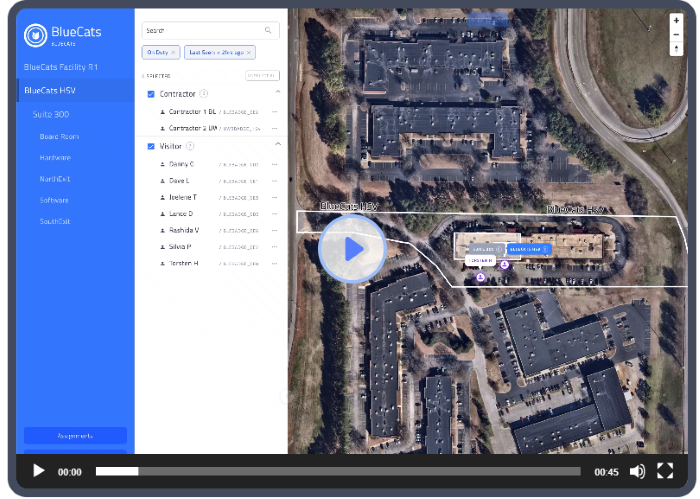
Some beacons show you coverage areas like BlueCats.
When you've selected a beacon, invite your customers to download your associated app. This can be done in an email marketing flow letting customers know about potential offers and savings that can be made through your campaign.
Don't have an app? No problem.
You can use a third-party app to get your bearings.
Here are some popular third-party apps:
Define your use beacon cases
As with any new technology, you don't want to do too much and spread out too thinly.
Pick two or three distinct use cases that you want to focus on, such as: For example, you can offer coupons to users who have viewed your ads in the past, or direct users to specific sales items.
By defining your use cases, you can properly track your campaigns and pinpoint your sales. This will help you strategize stronger campaigns in the future.
Design your beacon actions
Start with a simple, detailed action that will produce measurable results.
Most beacons work in three distance ranges and can be programmed to send different messages depending on the customer's range.
These areas are:
- Far: This area is suitable for people walking by or outside of your store.
- Near: This area works when you are in the same room as a beacon.
- Immediate: This area works when you are about to touch a beacon.
You can also trigger actions when someone gets closer or farther away from a beacon. For example, you can send a remarketing ad when someone leaves your store, or you can offer them a discount when they enter.
Most beacons can now be assigned multiple actions in a single beacon. Think strategically about all the actions you've implemented and remember to keep track of your data across all campaigns.
How one Plot and install your beacons
It is important to plan where to place your beacons before installing them.
An ideal beacon setup should cover your entire floor plan to ensure that all customers are reached. Most beacons have a radius of 10 meters and barriers such as walls or displays can reduce their efficiency.
To avoid this problem, place your beacons higher up so that they bypass any obstacles.
Note that most beacons are battery operated so you will need to access them once installed.
Once you know where to place your beacons, you can start the installation.
Installation methods may vary depending on the beacon. So make sure that the method you choose is appropriate for your location.
Test before starting
It is a good idea to test your beacons on friends or family before showing your campaign to the public.
Look for dead zones and run some ad sets to make sure they work.
After launching your campaign, consider running exclusive beacon ad campaigns and collecting data from conversions.
From there, you can refine, retest, and rerun your campaign.
Measure the success of your paid advertising campaigns with beacon technology
Since you're running paid campaigns, you need to prioritize your tracking systems to make sure the technology works for your business.
Here are some key KPIs to measure when running your Beacon technology campaigns:
- Impressions: These indicate how often your ad was seen by your customers.
- Clicks: Learn how many people clicked on your ad after seeing it.
- Click through rate (CTR): Your impressions and your click rate in percent.
- Cost-per-click (CPC): Here's how much you paid for each click.
- Quality factor: Learn how relevant your ad content is and how well it works.
- Conversion Rate (CVR): This measures how effective your ads are in converting customers.
Beacon campaigns should consider all of these KPIs when running.
Conclusion
When you're ready to take the plunge, beacon-driven campaigns can be incredibly lucrative.
By leveraging beacon technology in your paid campaigns, you can better track your ads, lower your ad spend, and improve engagement rates while delivering unique and exciting experiences to your customers.
Would you like help integrating beacons or other paid advertising strategies into your marketing campaigns? Let's talk.
How have you been successful with beacon technology campaigns?